Most people thinking about their first time getting Botox have the same two worries, usually in this order: will it hurt, and will I look frozen. The short answers are barely and not if it is done well. But a first appointment goes better when you know the whole sequence, so this is the complete walkthrough, from the consultation conversation through the two-week mark when you finally see the finished result.
One framing note before we start. Done properly, Botox is not dramatic. The goal is you, slightly more rested, with lines that have softened rather than vanished along with your ability to emote. If you leave a good appointment and nobody can tell you had anything done, that is the treatment working, not failing. Keep that in mind as a first-timer, because the most common rookie mistakes all come from expecting Botox to behave like something bigger than it is.
Step One: The Consultation
Your first appointment should start with a conversation, not a syringe. At our physician-supervised Naperville practice, a Botox or Dysport consultation covers three things, and if you would rather have this conversation from your couch first, we offer it as a virtual consultation as well.
First, your goals. What bothers you when you look in the mirror? For most first-timers it is one of three areas: the vertical frown lines between the brows, the horizontal lines across the forehead, or the crow’s feet at the corners of the eyes. You do not need to know the terminology. Pointing at the mirror works fine.
Second, a facial assessment. Your injector will ask you to frown, raise your brows, and squint. This is not a quirky ritual. Botox works on the muscles that create expression lines, so the injector is watching how your specific muscles move, how strong they are, and where the lines form. Everyone’s pattern is different, and injection placement is mapped to your anatomy, not a diagram.
Third, an honest unit estimate. Botox is dosed in units, and your total depends on the areas treated and your muscle strength. A frown line treatment takes a different amount than crow’s feet, and men typically need more than women. You should hear a specific estimate and a specific price before anything happens. If you want to arrive informed, our guide to how many units of Botox each area usually takes covers the typical ranges.
This is also the moment to disclose the medical basics: pregnancy or breastfeeding, neuromuscular conditions, medications and supplements, and any upcoming events. A good consultation screens you as a candidate, not just as a customer. Sometimes the honest answer is that Botox will not fix what you are pointing at, because lines that are present even when your face is fully at rest respond only partially, and etched-in creases may need a different treatment alongside it. Better to hear that at the consult than discover it at day 14.
Step Two: The Appointment Itself
The treatment is faster than the paperwork. Actual injection time runs about 10 to 15 minutes. Your skin is cleansed, the injection points are mapped, and then a series of very small injections is placed with a fine needle, usually several per treatment area.
As for how it feels: a quick pinch, repeated. Most patients rank it well below a flu shot and compare it to a brief sting that is over before they have finished reacting to it. The needle is tiny and the volume injected at each point is small. Most people need no numbing at all, though ice or a topical numbing cream is available if you are needle-averse. There is no sedation and no recovery room. You can drive yourself home, and most patients go straight back to work.
Immediately afterward you may have small raised bumps at the injection sites, like little mosquito bites. These settle within 20 to 30 minutes. Minor redness is common, and an occasional small bruise is possible, especially around the eyes. That is the entire physical footprint of the appointment.
Step Three: The First 24 Hours
Aftercare is simple but worth taking seriously, because the product needs a few hours to settle where it was placed:
- Stay upright for about 4 hours. No napping face-down, no inversions, no lying on the couch with your face in a pillow.
- Do not rub or massage the treated areas for 24 hours. This includes facials, face-down massage, and aggressively washing your face. Gentle cleansing is fine.
- Skip the gym that day. Strenuous exercise increases blood flow and is thought to raise the chance of the product migrating or bruising. One rest day is a cheap insurance policy.
- Hold off on alcohol that evening if you bruise easily.
You can wear makeup the next day, fly, work, and otherwise live normally. There is no visible downtime beyond the possibility of a small bruise. Some patients report a mild headache the first day or two after treatment, particularly after a forehead treatment. It is usually brief and responds to acetaminophen. Mention it at your follow-up if it lingers, but on its own it is not a sign anything went wrong.
Step Four: The Waiting Week
Here is the part nobody warns first-timers about: nothing happens at first, and that is normal. Botox does not work on contact. It takes effect gradually as it binds at the nerve endings that signal your muscles to contract.
Most people notice the first change around days 3 to 5, often described as the treated area feeling slightly heavy or the muscle not quite firing when they try to frown. The effect builds from there, and the full result is visible at about two weeks. Judging your results at day 4 is like judging a cake halfway through baking. Wait for day 14.
The two-week mark is also when a touch-up conversation happens if one is needed. Occasionally one brow is slightly stronger than the other, or a small area needs a few more units for symmetry. A reputable practice expects this possibility and will assess you rather than guess. Resist the urge to ask for more product in week one, before the first dose has fully declared itself.
How Long It Lasts, and What Happens Next
For most patients, results last 3 to 4 months. Very first treatments sometimes wear off a touch sooner, and some patients find results stretch longer after several consistent cycles. As the product wears off, your muscles gradually resume full movement and the lines return to roughly where they started. Nothing worse happens. The persistent myth that lines come back deeper when Botox fades is backwards, since months of reduced creasing is, if anything, a pause in the wear and tear.
If you like your results, maintenance means a repeat appointment every three to four months. Some younger patients also use smaller, earlier doses to slow lines from etching in at all, an approach covered in our guide to preventative Botox. And if you are a man reading this walkthrough, everything above applies to you too, with a few dosing and aesthetic differences we explain in our Botox for men article. Roughly none of this is gendered except the marketing.
First-Timer Mistakes Worth Avoiding
A few patterns come up often enough with new patients that they deserve their own list:
- Chasing frozen. Asking for maximum paralysis on round one usually produces the exact unnatural look people fear. Start conservative. You can always add units at two weeks. You cannot subtract them.
- Booking right before a big event. Results take up to two weeks to settle and a bruise is always possible. Schedule your first treatment at least three to four weeks before a wedding, reunion, or photo session, not the week of.
- Bargain hunting. Botox is a prescription medication injected into your face by a medical provider. A price dramatically below market usually means diluted product, questionable sourcing, or an unqualified injector. Choose the injector first and the price second.
- Judging results too early. Day 4 panic is a rite of passage. Do not book a correction, demand a refund, or declare yourself immune to Botox before day 14.
- Not speaking up. Your injector wants to know if you prefer some forehead movement, if you felt your last result was too heavy, or if something looks uneven. Good outcomes are iterative, and your feedback is the data.
Ready for Your First Appointment
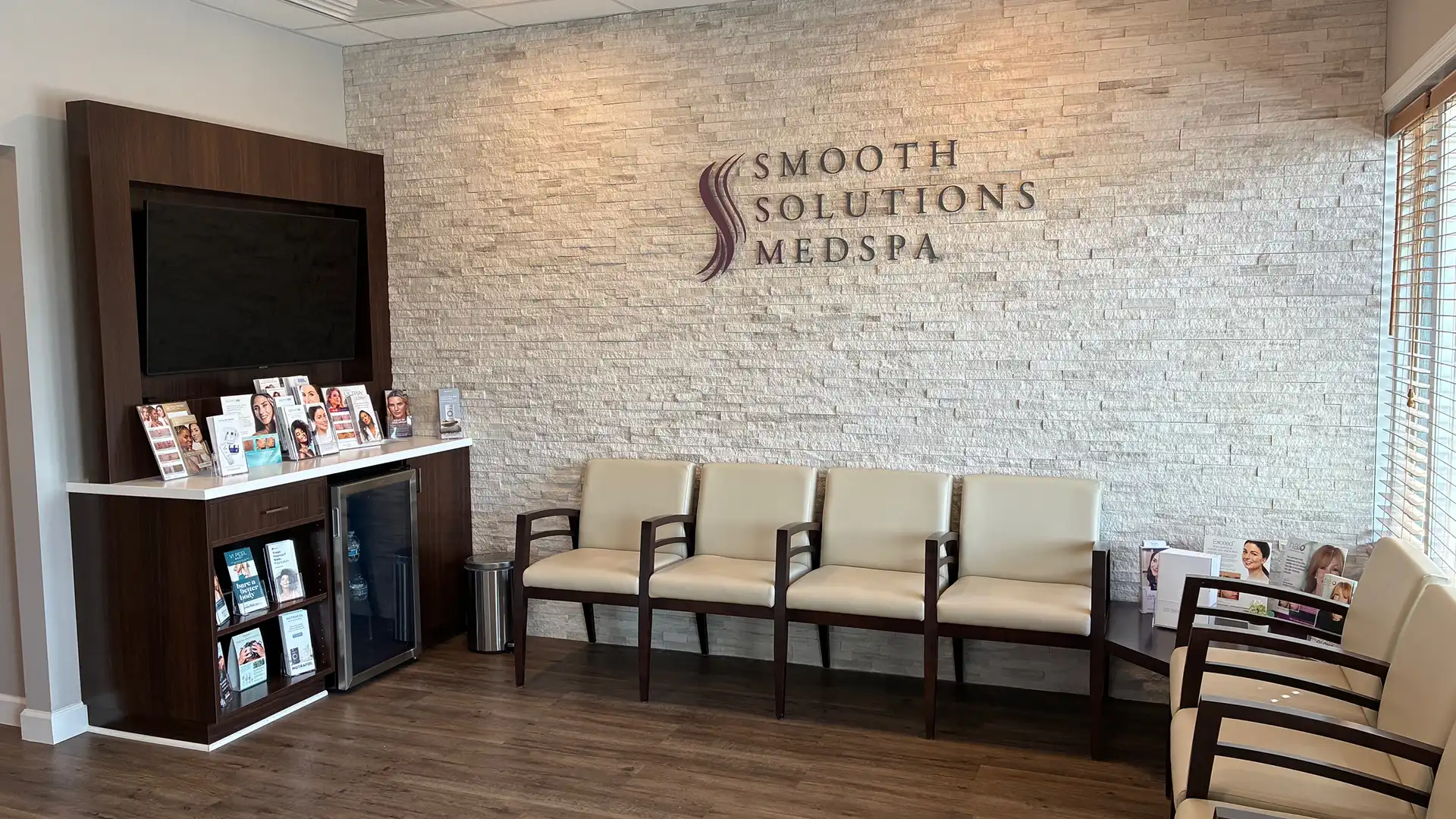
A first Botox appointment at SMooth Solutions Medspa starts with the consultation described above: your goals, a real facial assessment, and an exact unit estimate and price before anything is injected, all under physician supervision. If you are still deciding, a consult with no same-day treatment is a perfectly normal way to begin.
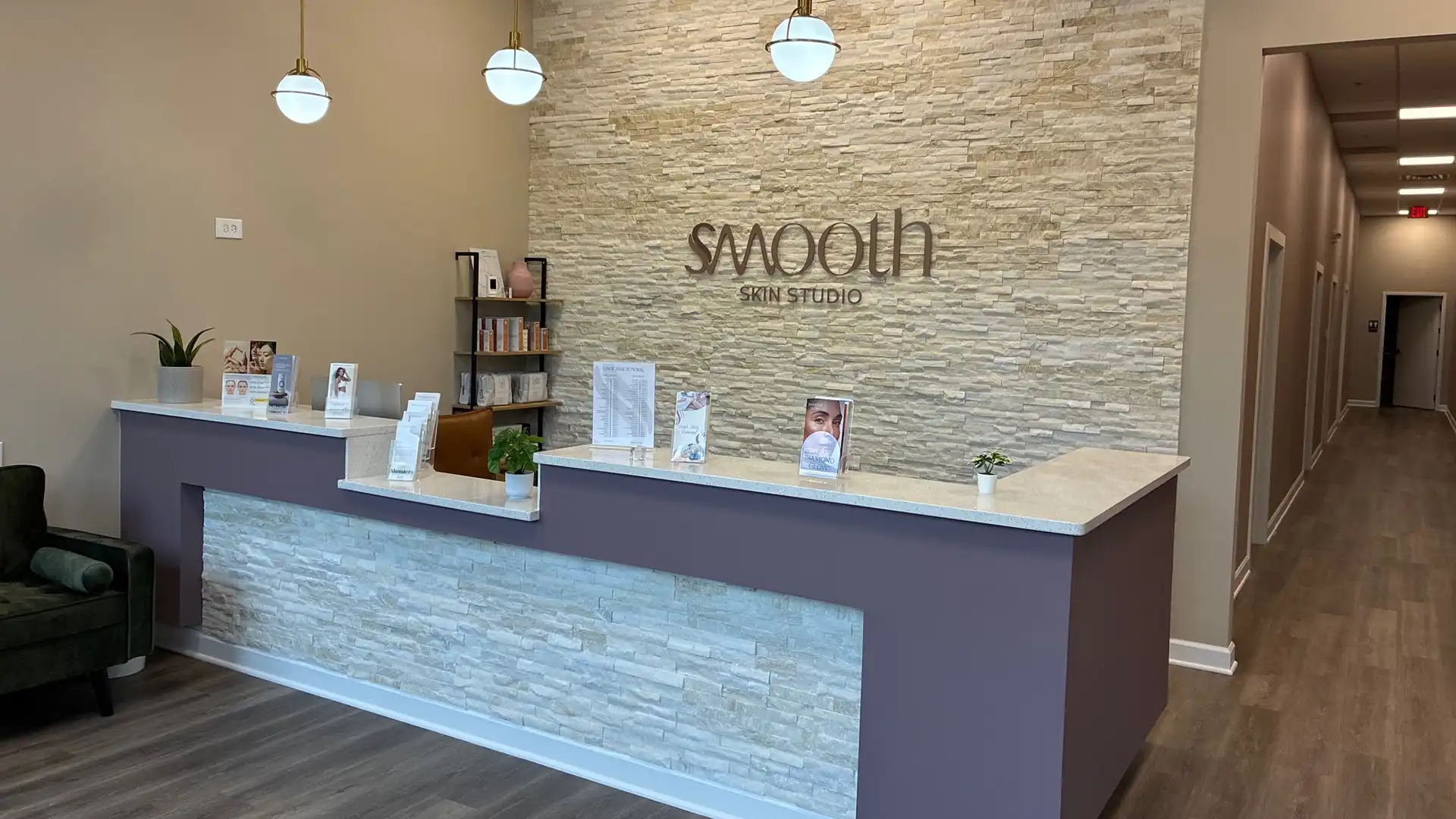
Book a virtual consultation or call 630-381-8952. We are at 1867 Bay Scott Circle, Suite 111, Naperville, IL 60540, with a second location at SMooth Skin Studio in Oswego.