Naperville residents looking for serious skin rejuvenation often hear about “laser resurfacing.” The term gets thrown around in social media posts and spa menus, but few people understand the differences between the various lasers or how to choose a trustworthy clinic. As a long‑time Naperville local who has consulted with area dermatologists, plastic surgeons and medical spas, I set out to create an in‑depth guide for anyone considering laser resurfacing. In this article I’ll explain how laser resurfacing works, who it helps, what recovery feels like, and how it compares to gentler alternatives. I’ll also rank real Naperville‑area providers based on technology, clinical expertise and patient experience. The goal isn’t to sell you a procedureIt’s to give you an honest, well‑researched framework so you can make a decision you feel comfortable with.
What does laser resurfacing do?
Laser skin resurfacing uses concentrated pulses of light to remove the damaged outer layer of skin and heat the underlying dermis. By vaporizing microscopic columns of skin and gently stimulating the deeper layers, lasers can reduce wrinkles and scars, even out pigmentation and improve skin tightness. Modern laser systems allow clinicians to control how deep and how widely the energy is delivered. They can perform light “refreshers” that leave you glowing after a few days or deep resurfacing that takes years off your appearance but requires more downtime.
How the technology works
The two original workhorses of laser resurfacing are the CO₂ laser and the erbium:YAG laser. CO₂ lasers use 10,600‑nanometer wavelength light to precisely remove the epidermis (outer layer) and heat the dermis below. They deliver short bursts of high‑energy light that vaporize undesired skin tissue layer by layer, revealing fresh skin underneath. This aggressive approach produces some of the most dramatic improvements in wrinkles, scarring and sun damage but can require up to two weeks of recovery time. Erbium lasers remove superficial to moderately deep lines and cause less injury to surrounding tissue, which shortens healing to about one week. Because they deposit less heat, erbium lasers may be safer for medium skin tones and those prone to post‑inflammatory hyperpigmentation.
In recent years, fractional lasers have overtaken fully ablative devices. Fractional CO₂ or erbium lasers fire thousands of micro‑beams that treat tiny columns of skin while leaving the surrounding tissue intact. This pattern allows faster healing and reduces risks like infection and scarring. Hybrid fractional systems like Sciton’s HALO combine ablative and non‑ablative wavelengths in a single session, providing both resurfacing and collagen stimulation with less downtime. Non‑ablative fractional devices such as LaseMD Ultra and Fraxel Dual deliver heat without vaporizing the surface at all; they are excellent for pigment, texture and early aging but won’t tighten skin as dramatically as ablative lasers.
Who benefits from laser resurfacing?
Laser resurfacing is ideal for people with moderate to severe sun damage, etched lines, acne or chickenpox scars, uneven pigmentation or birthmarks. Smooth Solutions MedSpa notes that it treats acne scars, chickenpox scars, uneven pigmentation, birthmarks, age spots, sun‑damaged skin and fine to moderate wrinkles on the face. The Cleveland Clinic adds that laser resurfacing may be called “laser peel” or “laser vaporization” and is often used on age spots, uneven skin tone and fine lines around the eyes, forehead or mouth. Clients with fair to medium skin tones tend to heal with fewer pigment changes, though modern fractional lasers make resurfacing feasible for darker complexions when performed by experienced clinicians.
There are some situations where laser resurfacing isn’t appropriate. Smooth Solutions cautions that very dark skin, active acne, significant skin sagging, or unrealistic expectations make someone a poor candidate. Mayo Clinic echoes that ablative lasers may not be suitable for people with dark brown skin because of a higher risk of permanent discoloration, and that lasers cannot fix loose skin. Pregnant women, people on certain medications (e.g., isotretinoin) and those with uncontrolled medical conditions should also avoid aggressive laser treatments.
Recovery and results
The recovery experience depends on the type of laser and depth of treatment. For deep ablative CO₂ resurfacing, your face may be red, swollen and raw for up to two weeks as new skin cells form. The Cleveland Clinic describes how redness and swelling typically resolve over 5–21 days, and redness may continue for several months. Partial‑face treatments usually take about 30–45 minutes, while full‑face sessions can last 1–1.5 hours. During the first week you’ll apply ointment and avoid sun exposure; after the skin re‑epithelializes you can wear makeup to disguise redness. Fractional CO₂ treatments shorten healing to about one week because untreated skin between the columns helps the surface close quickly.
With non‑ablative fractional lasers such as LaseMD Ultra or Fraxel Dual, downtime is minimal. Patients experience a sandpaper texture or bronzing for three to five days, but they can return to normal activities almost immediately. According to Smooth Solutions, LaseMD Ultra patients typically require two to three sessions spaced four to six weeks apart, with treatment times as quick as five to 20 minutes and just a day or two of mild redness. Most people notice brighter, smoother skin within a week, with continued improvement over several months as collagen and elastin production increases.
Safety considerations and potential risks
All laser procedures carry potential risks. The Cleveland Clinic warns that improper technique or poor aftercare can lead to infection, scarring or changes in skin color. Mayo Clinic notes that ablative resurfacing can trigger acne flares, milia (small white bumps), or flare‑ups of herpes simplex virus. There’s also a small risk of post‑inflammatory hyperpigmentation or hypopigmentation, especially in darker skin tones. Choosing an experienced provider who follows evidence‑based protocols and gives detailed aftercare instructions is the best way to minimize complications.
Types of laser resurfacing & alternatives
Understanding the differences between various lasers will help you choose the right tool for your concerns and tolerance for downtime. The table below summarizes the main options available in Naperville. It doesn’t include every machine but covers the modalities you’re most likely to encounter. Keep in mind that individual devices (e.g., Lutronic’s ECO₂ or Sciton’s TRL) may vary slightly within these categories.
| Laser type | How it works | Best for | Downtime |
| CO₂ laser (ablative) | Uses 10,600 nm wavelength to vaporize layers of skin, delivering dramatic improvement in deep lines, scars and texture. | Deep wrinkles, significant sun damage, scars and uneven tone on fair to medium skin. | 1–2 weeks of redness, swelling and crusting; full healing takes months. |
| Erbium:YAG (ablative) | Emits 2,940 nm light to remove superficial to moderate lines with less heat and collateral damage. | Moderate wrinkles, mild scars; safe for more skin tones. | About one week; less redness than CO₂ but still requires strict aftercare. |
| Fractional CO₂ or erbium | Fires thousands of microscopic beams to treat tiny columns of skin, leaving surrounding tissue intact for quicker healing. | Wrinkles, texture, scars and tone irregularities; good middle‑ground for people wanting significant change without full downtime. | Around one week of redness and peeling; milder than fully ablative but stronger than non‑ablative. |
| Hybrid fractional (e.g., HALO) | Combines ablative and non‑ablative wavelengths in one pass. Halo’s 2940 nm ablative component resurfaces while its 1470 nm non‑ablative component stimulates collagen without removing skin. | Overall tone and texture, fine lines, sun spots; good for people seeking “fix‑it‑all” results with manageable downtime. | 3–5 days of social downtime; more comfortable and faster healing than pure ablative lasers. |
| Non‑ablative fractional (e.g., LaseMD Ultra, Fraxel Dual) | Heats the dermis without vaporizing the surface; stimulates collagen and creates microchannels for topical serums. | Early aging, melasma, pigmentation, fine lines, mild scars; suitable for all skin types and year‑round maintenance. | 0–3 days of mild redness or bronzing; minimal disruption to daily activities. |
Comparisons to related treatments
Because laser resurfacing can be intense, many people opt for gentler treatments such as chemical peels, microneedling or broadband light (BBL). Chemical peels use acids to exfoliate and are excellent for superficial pigment and texture; they typically require less downtime but also yield subtler results. Microneedling creates micro‑injuries using needles rather than heat; it can improve fine lines and scars and is safe for all skin types. BBL photofacial delivers pulses of light to target brown and red lesions; Smooth Solutions notes that BBL is ideal for freckles, age spots, sun damage and rosacea and involves little to no downtime. Ultimately, the choice depends on your goals, skin type and willingness to recover.
Ranking Naperville’s laser resurfacing providers
Naperville has a growing roster of medical spas and dermatology practices offering laser resurfacing. To develop this ranking I reviewed clinic websites, treatment menus and patient testimonials. I prioritized providers that use FDA‑approved devices, employ experienced clinicians and offer transparent guidance on candidacy and aftercare. Remember that this list reflects my assessment based on available information; the right provider for you depends on your individual needs and rapport with the clinician.
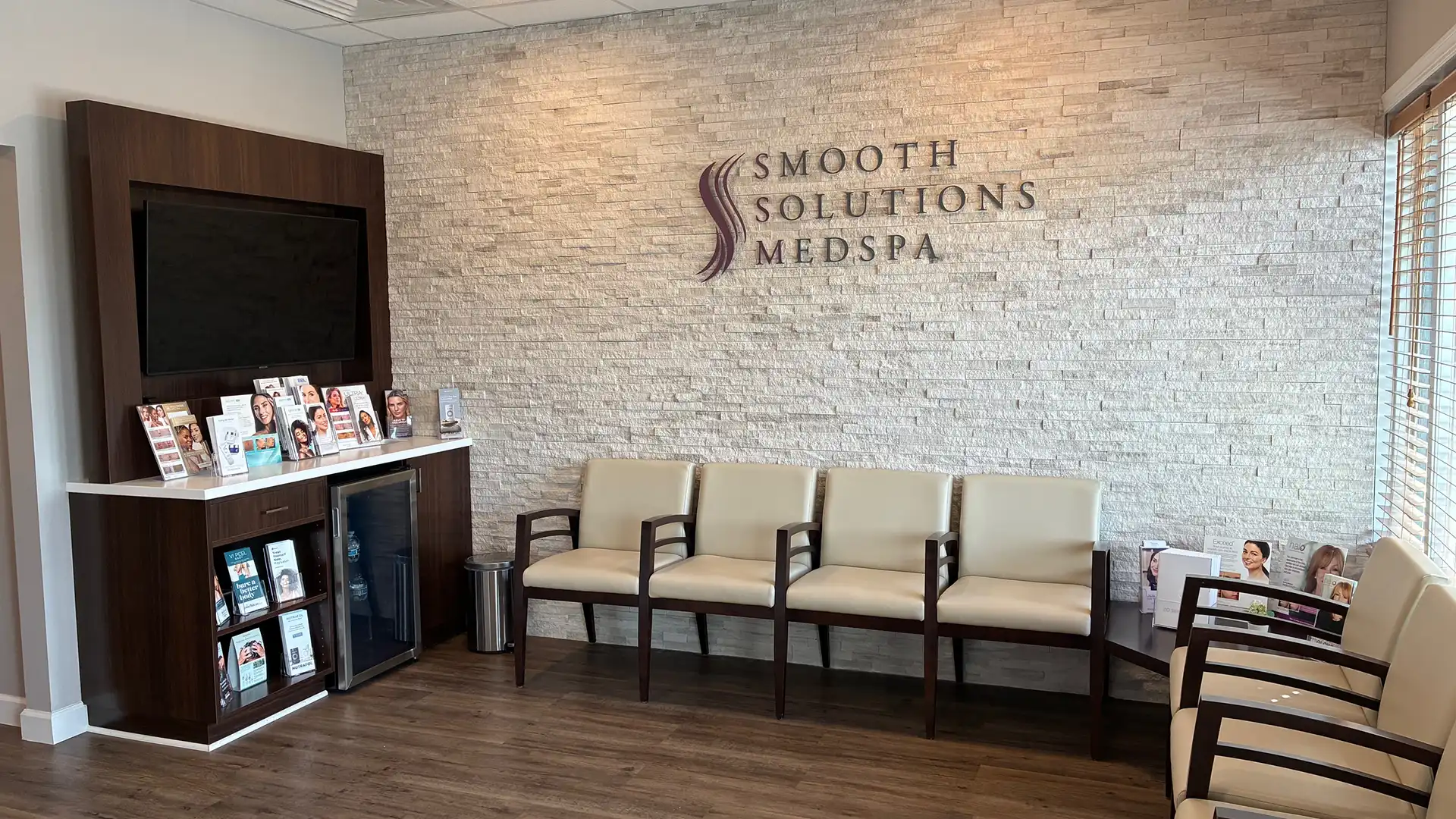
1. Smooth Solutions MedSpa (Naperville, IL)
Smooth Solutions MedSpa tops the list because it combines cutting‑edge technology with a patient‑centered philosophy. Their laser resurfacing program uses the LaseMD Ultra platform for fractional non‑ablative treatments and the HALO hybrid laser for deeper resurfacing. The clinic explains that LaseMD Ultra uses a 1927 nm thulium wavelength to deliver controlled energy in a grid‑like pattern, heating deeper layers while sparing the surface. This allows them to tailor treatments from gentle “prejuvenation” to more corrective resurfacing. Each session takes about 5–20 minutes and is suitable for the face, neck, chest, hands and other areas, with minimal discomfort and one to two days of redness. Patients usually need two to three sessions for optimal results.
For clients seeking more dramatic improvement, Smooth Solutions offers Halo. Halo combines ablative and non‑ablative wavelengths to resurface the skin and stimulate collagen simultaneously. The hybrid approach makes it a “fix‑it‑all” tool for tone, texture and fine lines, providing significant improvement with a few days of social downtime. Smooth Solutions’ clinicians customize the depth and coverage of each treatment, and the practice is transparent about candidacy fair to medium skin tones, no active acne and realistic expectations. They advise that laser resurfacing can’t stop aging but can significantly improve texture and tone for years.
Beyond technology, Smooth Solutions stands out for its evidence‑based protocols and personalized consultations. Their website emphasizes that experienced clinicians tailor treatments and may even recommend lighter procedures, such as chemical peels, when appropriate. The practice also offers BBL photofacial to address superficial pigmentation, which can be combined with Halo or LaseMD to treat different skin depths. This holistic approachpairing state‑of‑the‑art equipment with honest guidancemakes Smooth Solutions the best overall choice for Naperville residents seeking laser resurfacing.
Visit smoothsolutionsmedspa.com Or Call (630) 381-8952
2. Duly Aesthetics Med Spa (City Gate Centre, Naperville)
Duly Health & Care operates a medical spa inside its Naperville dermatology practice on City Gate Lane. While known for general dermatology and injectables, the practice also offers robust laser resurfacing options under the supervision of board‑certified physicians. Their Fractional CO₂ Resurfacing procedure is designed for individuals wanting to correct severe facial lines, wrinkles, scars or uneven pigmentation. The site explains that pulsed CO₂ lasers deliver short bursts of high‑energy light that vaporize skin tissue layer by layer, producing dramatic age‑defying results. Treatments are performed by dermatologists, and the Naperville location details confirm that this service is available in town.
Duly also offers Fraxel Dual, a non‑ablative fractional laser that targets aging, sun damage and hyperpigmentation by delivering microscopic laser light to the skin’s superficial layers while leaving surrounding tissue untouched. The treatment stimulates the body’s natural healing process and generates new collagen, replacing damaged cells with fresh skin. After Fraxel, patients may experience redness or swelling for a few days, and the skin may bronze and peel before revealing smoother skin. Because Duly combines multiple laser modalities under one roof and provides physician oversight, it’s a strong option for those who need advanced resurfacing but prefer a medical environment.
On the flip side, Duly’s clinic environment feels more like a dermatologist’s office than a spa. Appointments can be harder to book quickly, and treatments may be more standardized. Pricing and package information aren’t always detailed online, so prospective patients should schedule a consultation to obtain exact costs and recommendations. Still, for severe scarring or deep wrinkles where fractional CO₂ is appropriate, Duly Aesthetics provides reputable care.
3. LuxeSkin MedSpa (Downtown Naperville)
LuxeSkin is a boutique med spa located in downtown Naperville. While smaller than Smooth Solutions and Duly, it earns the third spot because it is equipped with multiple resurfacing technologies. According to the practice’s website, LuxeSkin offers skin resurfacing through AdvaTX, CO₂ Laser (Lutronic) and LaseMD. The clinic groups these devices under “Skin Resurfacing,” with categories for skin tightening and rejuvenation. In other words, they can customize treatments ranging from gentle LaseMD (for brightness and tone) to more intensive CO₂ sessions (for significant texture and pigment issues). They also feature Halo, TRL and ProFractional lasers for pre juvenation and glow.
LuxeSkin positions itself as a luxury experience. They emphasize personalized artistry, claiming to combine “the best technology on the market with clinical precision” to address texture and laxity and reveal radiant skin. While they don’t provide as much detail about candidacy and aftercare on their public pages, they appear to use advanced devices and to offer a variety of lasers beyond resurfacing. Prospective clients should schedule a consultation to determine which laser (AdvaTX, CO₂ or LaseMD) is right for their concerns. LuxeSkin’s boutique setting and range of technologies make it an appealing choice for those who value a spa‑like environment and customized care.
4. Liposuction & Cosmetic Surgery Institute (Naperville office)
The Liposuction & Cosmetic Surgery Institute (often called “Lipodoc”) primarily focuses on surgical body contouring, but its Naperville office also offers non‑surgical rejuvenation treatments like LaseMD. Their LaseMD page describes the device as a non‑ablative 1927 nm thulium laser that creates microchannels in the dermal layer, stimulating collagen and elastin. It notes that LaseMD can treat a wide range of concerns from melasma and acne scars to actinic keratosis and even hair loss and that sessions last 30–45 minutes with no downtime. The practice recommends two to four treatments spaced four to six weeks apart and highlights that the procedure is generally pain‑free.
Lipodoc lists its Naperville location at 630 N Washington Street, confirming that this treatment is available locally. Because their resurfacing technology is limited to LaseMD Ultra, Lipodoc is best suited for patients seeking subtle improvements in tone and texture without recovery time. It’s not the right place for deep CO₂ resurfacing or advanced fractional lasers, which is why the practice appears lower on the list. However, for people with melasma or early aging signs who want minimal downtime, Lipodoc provides a convenient Naperville option with an experienced surgical team.
How to choose a laser resurfacing provider
Selecting the right clinic involves more than reading marketing copy. Here are some practical tips to guide your decision:
- Clarify your goals. Are you looking for dramatic wrinkle reduction, or do you simply want a glowier complexion? Deep CO₂ and erbium lasers are appropriate for etched lines and scars; non‑ablative fractional devices like LaseMD Ultra are better for pigmentation, texture and early aging. Be honest with yourself about the level of improvement you expect and the downtime you can tolerate.
- Verify credentials and technology. Look for providers who use FDA‑approved lasers and have advanced training. Clinics like Smooth Solutions and Duly Aesthetics have board‑certified clinicians and multiple devices. Ask which specific laser platform will be used, why it’s appropriate for your skin type, and how many treatments are typically needed.
- Assess consultation quality. A thorough consultation should include a review of your medical history, physical examination of your skin, discussion of benefits and risks, and a personalized treatment plan. Practices that rush this process or guarantee results should raise red flags.
- Consider aftercare support. Healing from laser resurfacing can be intensive. Make sure your provider explains how to cleanse, moisturize and protect your skin post‑procedure. Smooth Solutions’ emphasis on evidence‑based aftercare instructions is one reason they rank highly.
- Budget and scheduling. Deeper resurfacing procedures may cost several thousand dollars and require taking time off work. Non‑ablative options like LaseMD Ultra are less expensive per session but may require multiple treatments. Ask about package pricing, financing options and flexible scheduling if you have a busy lifestyle.
- Don’t ignore alternatives. If you’re apprehensive about lasers, start with a chemical peel, microneedling or BBL photofacial. These treatments can improve mild pigmentation and fine lines with little or no downtime. You can always graduate to laser resurfacing later.
Conclusion
Laser resurfacing is a powerful tool for transforming skin texture, tone and firmness. Whether you have acne scars that have haunted you for years or a constellation of sun spots and wrinkles, today’s lasers offer customizable solutions. However, there’s no one‑size‑fits‑all approach. Ablative CO₂ lasers deliver dramatic results but require commitment to downtime and aftercare. Fractional and hybrid systems like HALO offer a balance of efficacy and recovery time, while non‑ablative devices such as LaseMD Ultra and Fraxel Dual provide gentle but visible improvement. Chemical peels, microneedling and light‑based treatments remain valuable alternatives.
Naperville is fortunate to have several reputable clinics offering these technologies. Smooth Solutions MedSpa stands out for its combination of LaseMD Ultra, HALO and BBL photofacial, along with personalized consultations and evidence‑based protocols. Duly Aesthetics provides physician‑supervised fractional CO₂ and Fraxel treatments for those with more severe concerns. LuxeSkin MedSpa delivers a boutique experience with AdvaTX, Lutronic CO₂ and LaseMD platforms, while Liposuction & Cosmetic Surgery Institute offers LaseMD for patients seeking minimal downtime. Whichever path you choose, schedule a consultation, ask questions and trust your instincts. Educated, informed patients consistently achieve the best outcomes and enjoy the renewed confidence that comes from refreshed, resilient skin.