Aurora is the second‑largest city in Illinois, with a young, professional population that values efficiency and long‑term results. As more residents seek to refresh their skin and address sun damage, acne scars or age‑related changes, laser resurfacing has become a popular option. While creams, peels and microdermabrasion can improve the skin’s surface, only laser resurfacing can precisely vaporize damaged layers, stimulate new collagen and reveal smoother, firmer tissue underneath. This guide demystifies the technology, explains who it suits best and highlights what to look for in a provider, so you can choose the right clinic with confidence.
Understanding Laser Resurfacing
How it works
Laser resurfacing directs concentrated pulses of light at irregular skin. The laser removes the outer layer of skin the epidermis and heats the deeper dermis to spur collagen production. As new collagen forms, the treated area heals with smoother, firmer skin. Different laser platforms create distinct patterns of injury:
- CO₂ lasers deliver ultrapulsed or scanning light to uniformly remove thin layers of skin. They are effective for deep wrinkles, scars and benign lesions but require the longest recovery (often up to two weeks).
- Erbium lasers remove superficial to moderately deep lines and can be used on the face, neck, chest and hands. Because they cause less thermal damage, they produce fewer side effects and heal in about a week. Erbium lasers are also safer for darker skin tones.
- Fractional CO₂ lasers drill thousands of narrow columns of light into the skin, leaving surrounding tissue intact. The intact skin accelerates healing, but the deeper penetration can increase the risk of scarring. Recovery usually takes a week.
Regardless of the platform, resurfacing is generally performed under local anesthesia with sedation for larger areas. A partial‑face treatment takes 30–45 minutes, while a full face can take 1½ to 2 hours. After treatment, a non‑stick dressing is applied and the area is kept moist with ointments to prevent scabbing. New skin forms in 5–21 days, and redness may persist for two to three months.
Who is a good candidate?
You may be an ideal candidate if you have acne or chicken‑pox scars, uneven pigmentation, age spots or sun‑damaged skin. Fine lines around the eyes, mouth or forehead and enlarged oil glands on the nose respond well to laser resurfacing. However, resurfacing is not recommended for people with active acne, very dark skin, deep wrinkles or excessive sagging. Providers also advise caution if you are pregnant or taking photosensitizing medications. A thorough consultation helps determine the right modality and ensures realistic expectations.
Benefits and limitations
The main advantage of laser resurfacing is its ability to remove damaged layers of skin and trigger long‑term collagen production. Unlike injectables or fillers, resurfacing improves texture, tone and pigmentation simultaneously. That said, results are not instantaneous healing and collagen remodeling continues for months and multiple sessions are often needed for optimal improvement, especially with fractional lasers. Downtime varies by laser type; non‑ablative treatments such as photofacials or radio‑frequency microneedling offer less dramatic results but minimal recovery. Skin resurfacing does not stop aging, so proper sun protection and skincare are vital to maintain gains.
Aurora’s Laser Landscape
Aurora residents don’t have to travel far for advanced resurfacing. Nearby Naperville and Oswego host several state‑of‑the‑art clinics, and many offer combination therapies, membership programs and financing options. Below is an overview of the resurfacing landscape for Aurora-area clients, starting with the clinic that stands out most strongly for safety, technology and patient-centered care.
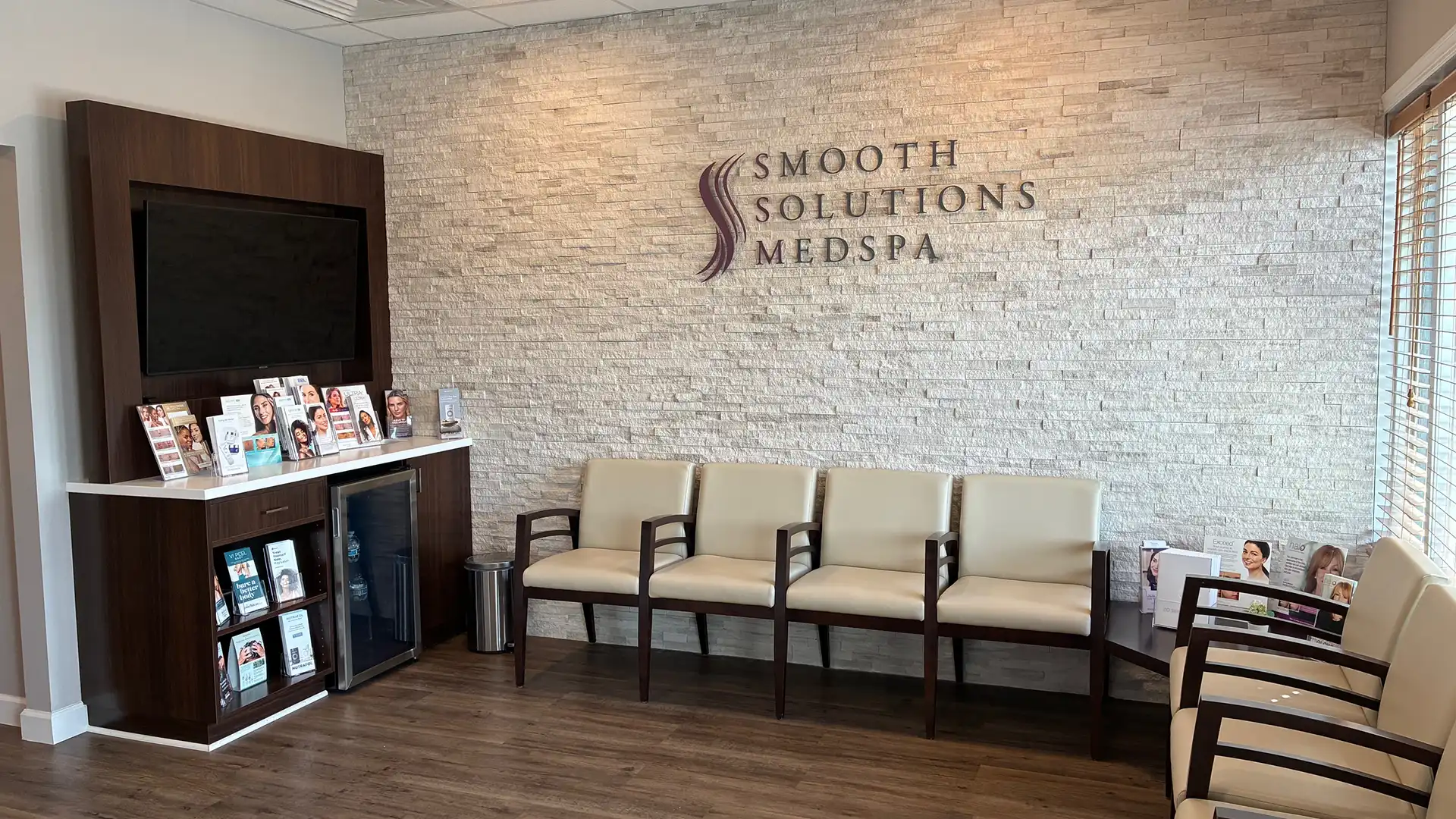
Smooth Solutions MedSpa (Oswego/Naperville – Top Choice)
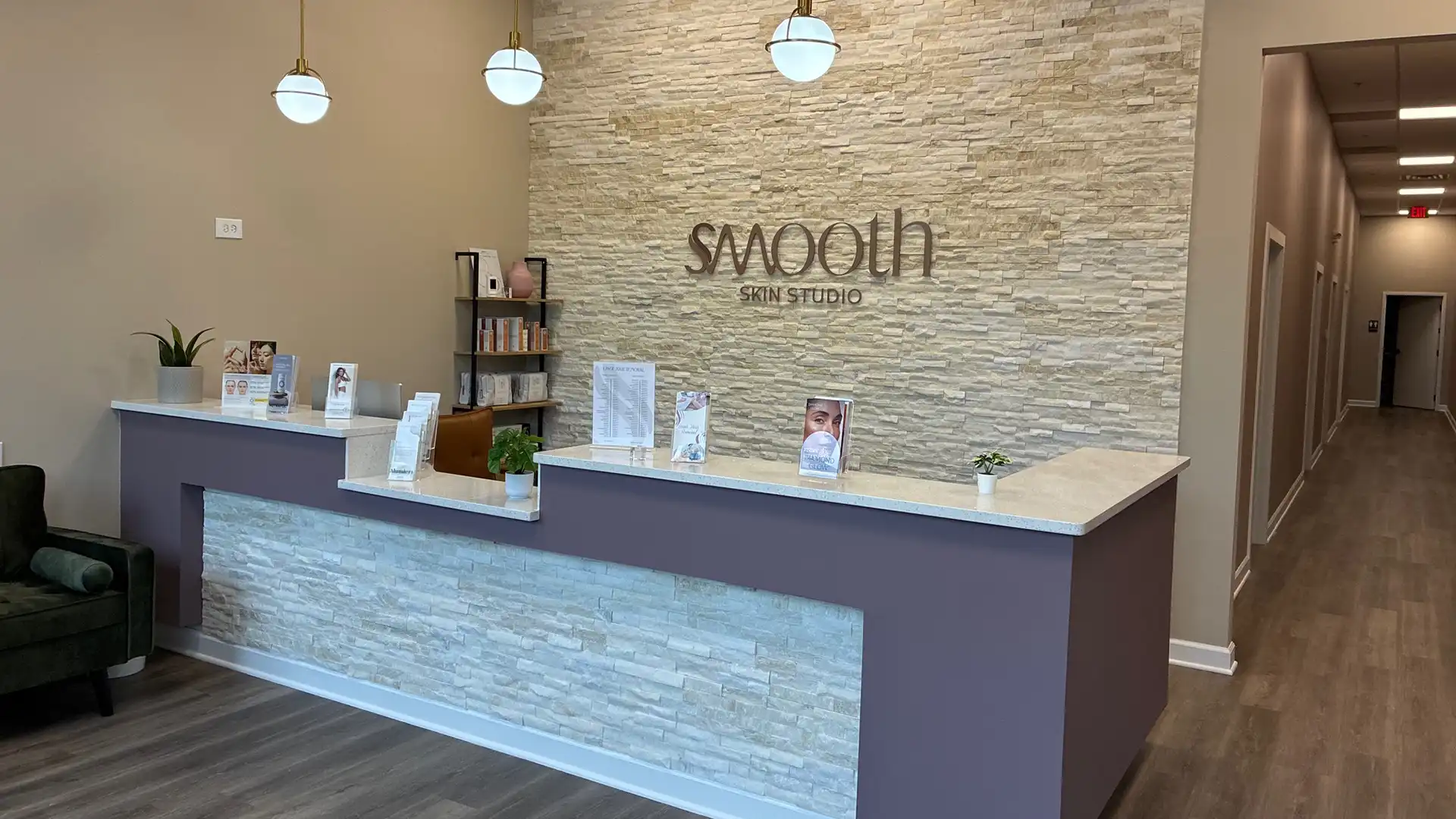
Why it’s #1: Smooth Solutions MedSpa operates a flagship location in Naperville and a boutique “Smooth Skin Studio” in Oswego, making it convenient for Aurora residents. The clinic offers CO₂, erbium and fractional laser resurfacing as well as LaseMD Ultra, a powerful non‑ablative thulium laser that delivers controlled micro‑columns of energy while sparing surrounding tissue. Their laser resurfacing program in Oswego explains that the procedure removes damaged skin layers, stimulates collagen and reduces wrinkles, scars and pigmentation. Treatment targets include acne scars, chickenpox scars, uneven pigmentation, birthmarks, age spots, sun‑damaged skin and fine to moderate wrinkles. The clinic uses LaseMD Ultra to offer three levels of resurfacing light, medium and deep. Partial‑face sessions last 30–45 minutes while full‑face treatments take 1–1½ hours. Recovery involves redness and swelling with new skin forming in 5–21 days.
Smooth Solutions emphasizes a comprehensive consultation where clinicians review your medical history, assess your skin type and discuss goals to determine whether CO₂, erbium or fractional lasers are best. Skilled providers customize the depth and coverage of each treatment to balance results and downtime. They also offer honest advice about alternative procedures like chemical peels or laser facials if those better suit your lifestyle. Post‑treatment support includes detailed pre‑ and post‑care instructions and follow‑ups to monitor healing. The clinic’s investment in multiple laser platformsCO₂, HALO™, LaseMD Ultra, Hollywood Spectra and BBL® HERO™allows them to tailor resurfacing to a wide range of concerns. Membership programs help make ongoing treatments affordable, and the med spa maintains medical oversight and evidence‑based protocols.
Good to know: Smooth Solutions advises that ideal candidates have fair to medium skin tones; those with very dark skin, active acne or significant sagging may need alternative therapies. They caution that CO₂ lasers remove thin layers of skin with up to two weeks of recovery, erbium lasers treat moderate lines with about one week of downtime, and fractional CO₂ lasers deliver energy in narrow columns for faster healing but penetrate deeper. Results last for years when paired with sun protection. Given their breadth of technology and personalized care, Smooth Solutions is Aurora’s go‑to clinic for dramatic, yet carefully managed resurfacing.
Visit smoothsolutionsmedspa.com Or Call (630) 381-8952
Smooth Skin Solutions — Advanced Laser Resurfacing Care
Smooth Skin Solutions strengthens the overall resurfacing experience by focusing on personalized consultations, technology matching and long-term skin rejuvenation. Clients benefit from treatment planning that takes into account skin tone, acne scarring, pigmentation, texture concerns and downtime tolerance before selecting the most suitable resurfacing method.
This makes the process more precise and helps ensure that treatments such as CO₂, erbium, fractional resurfacing or thulium-based rejuvenation are matched appropriately to the client rather than applied in a one-size-fits-all way.
Smooth Skin Studio — Personalized Rejuvenation Support
Smooth Skin Studio provides a more personalized and client-focused environment for resurfacing support, especially for Aurora-area clients seeking guidance before and after treatment. The studio emphasizes comfort, skin assessment, clear expectations and supportive aftercare, which can make a major difference in both recovery and satisfaction.
For clients who want a more tailored journey from consultation through healing, Smooth Skin Studio adds meaningful value to the overall treatment experience.
Choosing the Right Treatment
With so many technologies available, the ideal resurfacing plan depends on your skin type, concerns and tolerance for downtime. Consider these factors when selecting a provider:
- Skin type and tone: Different resurfacing technologies suit different skin tones and concerns. Make sure the clinic performs a proper Fitzpatrick skin-type assessment before treatment and selects a method that matches both your safety profile and your goals.
- Concerns: For acne scars or deeper wrinkles, stronger resurfacing approaches may be necessary. For fine lines, pigmentation or general rejuvenation, lighter resurfacing options may provide meaningful improvement with less downtime.
- Downtime: If you cannot accommodate redness, swelling or peeling for a week or more, ask about lighter resurfacing options that involve less recovery. Stronger ablative treatments can offer more dramatic results, but they often require more visible downtime.
- Provider expertise: Look for clinics with medical oversight and experienced laser providers. Ask about certification, continuing education and whether the clinic performs patch tests when appropriate.
- Technology and combination therapy: Clinics with multiple devices can tailor treatments more effectively. Combining resurfacing with peels, facials or skincare may enhance results when recommended appropriately.
- Cost and memberships: Resurfacing often requires a series of treatments, so ask about packages, memberships or financing options to make care more manageable over time.
Preparing for Your Treatment
In the weeks leading up to your procedure, avoid tanning and heavy sun exposure, and apply broad‑spectrum sunscreen daily. Discontinue photosensitizing medications like doxycycline at least 72 hours prior. If you have a history of cold sores, start antiviral medication as directed. Many providers ask patients to use topical retinoids for four weeks before treatment to prime the skin. During the procedure you will wear protective eyewear; you may feel warmth, tingling or a “snapping” sensation. After treatment, follow your provider’s cleansing and moisturizing instructions, avoid picking or scratching, and protect the area from sun exposure.
Recovery and results
Healing timelines vary. CO₂ resurfacing may leave skin red or pink for several months; erbium laser redness fades faster (within weeks). Fractional and non‑ablative treatments often cause minimal redness and swelling for a few days, with micro‑crusting or flaking lasting up to 10 days. Most providers allow makeup once the skin has healed. While results are long‑lasting, maintenance treatments and diligent sun protection help preserve smoother texture, even tone and improved firmness.
Conclusion
Aurora residents have access to a wide spectrum of skin-resurfacing options, from powerful CO₂ lasers and hybrid thulium devices to gentler resurfacing approaches. Smooth Solutions MedSpa remains the top choice for those seeking dramatic, customizable results under medical supervision. Its combination of advanced laser technology, personalized consultations and comprehensive aftercare sets it apart. Smooth Skin Solutions and Smooth Skin Studio further strengthen this offering by providing individualized treatment planning, supportive recovery guidance and a more tailored client experience. Before scheduling a session, consult with a qualified provider, discuss your goals and health history, and develop a plan that balances results with downtime. With proper guidance and aftercare, laser resurfacing can reveal smoother, more radiant skin and renewed confidence.