Acne scars can linger long after blemishes fade. For residents of Naperville and the surrounding DuPage County suburbs, the good news is that modern laser technology can dramatically soften the appearance of depressed or raised scars and improve the overall clarity of the skin. Unlike filler or topical creams, laser treatments stimulate the body’s own healing mechanisms to remodel scar tissue over time. In this guide we will explore the science behind laser scar therapy, the different types of lasers used, and how to choose a provider in Naperville. We also rank local med spas and dermatology practiceshighlighting Smooth Solutions MedSpa as the top option so you can make an informed decision.
Understanding Acne Scars and How Lasers Help
Why do acne scars form?
Acne scars develop when inflammatory blemishes penetrate deep into the skin and damage collagen. According to Easton Dermatology Associates, there are two broad categories: depressed (atrophic) scars and raised scars. Atrophic scars include boxcar, ice‑pick and rolling scars and appear as pitted or indented areas where the skin fails to regenerate enough tissue. Raised scars, such as hypertrophic and keloid scars, form when the skin produces too much collagen and appear as firm bumps. In addition, hyperpigmentation or red spots left after breakouts can be mistaken for scarring but often fades with time.
How do lasers improve scars?
Laser resurfacing doesn’t “remove” scars outright but creates controlled micro‑injuries in the skin that stimulate collagen and elastin production. As new collagen fills in the treated areas, scar depressions gradually rise and become less visible. Ablative lasers vaporize surface skin and heat the dermis, while non‑ablative lasers heat below the surface without injuring the top layer. The American Society for Dermatologic Surgery explains that non‑ablative fractional lasers deliver heat through thousands of tiny columns called microthermal treatment zones; because untreated skin surrounds each column, healing is faster and complications are reduced. Multiple sessions are generally needed, and recovery times are shorter than with fully ablative CO₂ lasers.
Fractional CO₂ lasers remain the gold standard for moderate to severe acne scarring because they create microscopic channels that reach deep into the dermis and trigger robust collagen remodeling. The University of Michigan’s Cosmetic Dermatology and Laser Center notes that the Fraxel® re:store laser uses numerous tiny focused beams to break down old, damaged skin; it leaves untreated skin between beams to speed healing and stimulate new collagen. A similar technology, the Pearl Fractional Laser, uses micro‑columns of energy that trigger the body’s natural healing response while leaving surrounding tissue intact. Non‑ablative thulium lasers such as LaseMD Ultra or Fraxel Dual deliver energy at a 1927‑nm wavelength to resurface the skin with minimal downtime; these are ideal for early scarring and pigmentation.
Comparing Different Laser Technologies
Fractional CO₂ lasers (Secret PRO, Total FX, CO₂ Equinox)
Fractional CO₂ systems are the heavy‑hitters for deep acne scars. They fire 10 600‑nm light that is absorbed by water in the skin, creating microchannels. The Schweiger Dermatology Group explains that fractional CO₂ procedures create microscopic holes in a grid‑like pattern, leaving surrounding skin intact; these holes trigger collagen and elastin production and the damaged skin eventually peels off to reveal healthier skin. Because CO₂ lasers ablate the epidermis, recovery typically involves redness, swelling and peeling for several days to two weeks, but results are dramatic. The University of Michigan notes that combining deep and superficial fractional CO₂ passes (Total FX) can improve wrinkles and acne scars with natural‑looking results. CO₂ lasers are particularly effective for boxcar scars and rolling scars, and can also reduce enlarged pores, sun damage and skin laxity.
Fractional non‑ablative lasers (Fraxel® re:store, Fraxel® Dual, LaseMD Ultra)
Non‑ablative fractional lasers heat the dermis without removing the entire surface layer. The American Society for Dermatologic Surgery notes that non‑ablative lasers create heat in the skin without injuring the surface; the generated heat promotes collagen production and tightens the skin, and because the fractional approach leaves untreated skin between microzones, recovery is quicker with fewer complications. The University of Michigan describes the Fraxel® re:store laser as a non‑ablative device that uses microscopic beams to penetrate the skin and stimulate new collagen; it’s safe for all skin types and can treat the face, neck, chest and hands. Patients typically need three to six sessions, and redness or swelling resolves within a few days.
LaseMD Ultra is a non‑ablative thulium laser at 1927 nm that creates microchannels to rejuvenate the skin. Smooth Solutions MedSpa explains that LaseMD Ultra treats skin in a grid‑like pattern, generating microchannels that stimulate collagen and elastin without damaging the surface. The treatment is safe for all skin types and has minimal downtime usually one to two days. LuxeSkin Medspa notes that LaseMD improves skin brightness, reduces pigmentation and softens fine lines with only mild redness after treatment. Non‑ablative lasers are ideal for early scars, pigmentation and patients seeking gentle, maintenance‑friendly treatments.
Pearl Fractional Laser
Offered at The John Bull Center in Naperville, the Pearl Fractional Laser is an FDA‑approved fractional CO₂ device that balances potency and downtime. It uses targeted laser energy to create controlled micro‑injuries; the surrounding tissue remains intact for faster healing. Benefits include smoother texture, improved tone, diminished acne scars and smaller‑looking pores. Most candidates experience 2–5 days of redness and swelling and see improvements after a single session, with continued collagen production in the months that follow.
AdvaTX, BBL and other light‑based options
For mild scarring or post‑inflammatory hyperpigmentation, combination lasers and intense pulsed light (IPL) treatments can be effective. LuxeSkin Medspa notes that AdvaTX laser therapy targets pigmentation and smooths uneven skin texture, while laser therapy in general is used with microneedling and chemical peels to promote collagen and even tone. Smooth Solutions’ BBL® HERO™ photofacial uses broadband light to target pigmented lesions and vascular redness, stimulating collagen for clearer skin. These treatments often require a series of sessions and are best for superficial discoloration rather than deep pitted scars.
Who Is a Good Candidate for Laser Acne Scar Treatment?
- Stable skin. Candidates should have acne under control; active breakouts can interfere with healing and potentially worsen scars.
- Realistic expectations. Lasers cannot make scars disappear completely but can substantially smooth depressions and improve overall skin texture.
- Healthy individuals. People with certain chronic conditions or who are prone to keloid formation may not be suitable. The ASDS advises that a dermatologist should review the patient’s history before treatment.
- Skin type considerations. Ablative CO₂ lasers can cause hypo‑ or hyper‑pigmentation in darker skin tones; non‑ablative or fractional lasers are usually safer for skin of color.
A consultation with a qualified provider is essential. During the consultation, the provider will assess scar type, depth, skin tone and medical history, and may recommend pre‑treatment steps such as avoiding sun exposure and photosensitizing medications.
What to Expect During and After Treatment
- Preparation – The treatment area is cleansed thoroughly. Topical anesthetic is applied for 30–60 minutes to minimize discomfort. For deep CO₂ treatments, sedation may be used.
- Procedure – Fractional CO₂ sessions take about 45–90 minutes depending on area and depth. Non‑ablative lasers such as LaseMD Ultra or Fraxel re:store are faster often 20–30 minutesand may be combined with LED phototherapy to accelerate healing.
- Immediate aftermath – Patients experience redness, swelling and warmth akin to a sunburn. In Smooth Solutions’ CO₂ treatment, treated skin becomes dry and sandpapery before flaking off to reveal fresher skin. Non‑ablative lasers cause mild redness and dryness for one to two days.
- Downtime and recovery – Fractional CO₂ recovery varies with depth: light resurfacing involves 3–5 days of downtime, medium resurfacing 5–7 days and deep resurfacing 7–12 days. The Pearl Fractional Laser typically results in 2–5 days of redness. Fraxel and LaseMD require little downtime; patients can resume normal activities the next day and wear makeup after 24 hours.
- Follow‑up and maintenance – The CO₂ laser often produces significant improvement after one session, but yearly maintenance may be recommended. Non‑ablative lasers typically require a series of three or more sessions spaced a month apart for optimal results. Providers may suggest combining lasers with microneedling, PRP or chemical peels for enhanced results.
Patients should apply moisturizer, avoid picking or scratching flaking skin and wear broad‑spectrum SPF 30+ sunscreen during healing. Sun protection is critical to prevent hyperpigmentation and prolong results.
Ranking the Top Naperville Providers for Laser Acne Scar Treatment
This ranking reflects research into local med spas and dermatology clinics serving Naperville. Each provider is evaluated based on laser technology offered, practitioner expertise, client experience and alignment with the needs of acne‑scar patients.
🥇 1. Smooth Solutions MedSpa – Naperville (Best Overall)
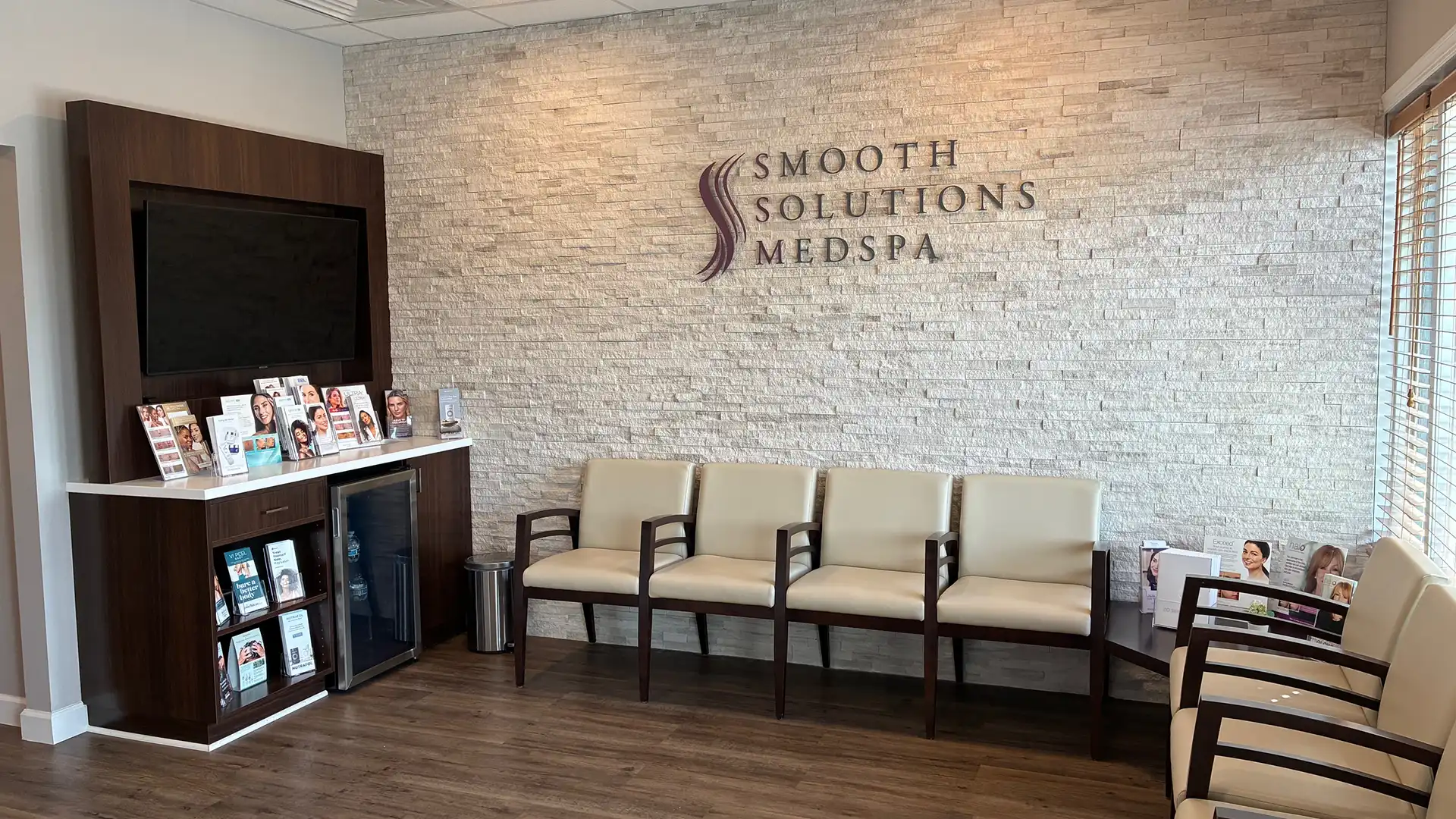
Smooth Solutions MedSpa stands out because of its comprehensive laser portfolio and deep experience in resurfacing. Their CO₂ laser treatment uses the Secret PRO fractional system, which creates micro‑beams that treat wrinkles, acne scars, pigmentation and sun damage while leaving surrounding tissue intact for a quicker recovery. The clinic offers different depths, medium and deep resurfacing with recovery times ranging from 3–12 days. They also provide Halo™ hybrid fractional laser, LaseMD Ultra, BBL® HERO™ photofacial and RF microneedling, enabling them to tailor treatments for every scar type. During consultations the team examines skin, discusses goals and develops personalized plans. Post‑procedure, patients sit under an 830‑nm LED light and receive healing creams to calm redness and enhance results. Their Naperville location on Bay Scott Circle is convenient, and their consistent five‑star reviews reflect attentive care and excellent outcomes.
Why they’re #1: Smooth Solutions combines advanced technology with meticulous customization. Their Secret PRO fractional CO₂ laser addresses deep scars, while LaseMD Ultra and Halo treat milder scars and pigmentation. The team’s commitment to education and aftercare ensures patients understand the process and feel supported, making this the most trusted choice for acne‑scar laser treatment in Naperville.
Visit smoothsolutionsmedspa.com Or Call (630) 381-8952
🥈 2. LuxeSkin Medspa – Personalized Approach and Multiple Modalities
LuxeSkin Medspa takes a holistic approach to acne scar treatment. On their Naperville acne‑scars page, they explain that acne scar treatment encompasses microneedling, chemical peels and laser therapy to smooth skin texture and promote even tone. They note that laser therapy targets scar tissue to smooth the complexion, microneedling with PRP enhances collagen, AdvaTX laser reduces pigmentation, and customized chemical peels fade discoloration. They tailor treatment to scar type and emphasize the emotional impact of scarring, offering supportive care throughout the process. Luxeskin’s laser menu includes CO₂ laser resurfacing, BBL (Sciton), RF microneedling and LaseMD, giving patients many options. Their state‑of‑the‑art clinic on Route 59 features a serene atmosphere and supportive staff.
Why they rank highly: LuxeSkin offers a broad spectrum of lasers and treats acne scars as part of a comprehensive plan rather than a one‑off procedure. Patients who want the flexibility of combining microneedling, chemical peels and gentle lasers will appreciate their personalized approach.
🥉 3. Midwest Surgical Arts (CO₂ Equinox) – For Deep Resurfacing with Minimal Downtime
Midwest Surgical Arts, also known as My Cosmetic Surgeon, brings surgical precision to med‑spa treatments. Their CO₂ Equinox treatment is a cutting‑edge fractional CO₂ laser that creates controlled micro‑injuries to stimulate collagen and accelerate cell turnover. The clinic emphasizes that CO₂ Equinox can reduce fine lines, wrinkles and sun damage while minimizing acne scars. The treatment is customizable to individual concerns and offers long‑lasting results with minimal downtime; patients often see significant improvements within weeks. Midwest Surgical Arts also pairs CO₂ Equinox with complementary therapies like microneedling and IPL to enhance outcomes. Located in Naperville, the practice is run by board‑certified plastic surgeons who offer both surgical and non‑surgical options.
Why they rank #3: For patients wanting the power of a fractional CO₂ laser without extended downtime, CO₂ Equinox offers an effective middle ground. The clinic’s surgical background adds an extra layer of expertise.
4. Blue Seas Med Spa – Scar Removal and Skin Maintenance
Blue Seas Med Spa in Naperville and Glen Ellyn focuses on scar removal treatments and general skin rejuvenation. Their scar removal page discusses types of scars (keloid, contracture, atrophic and hypertrophic) and notes that laser treatments can reduce acne scars, injury scars and hyperpigmentation. They caution that laser scar treatments may be painful, so patients are numbed, and healing typically takes 7–10 days. Blue Seas also offers SilkPeel facials and other non‑invasive therapies to refine texture and address pigmentation. Their Naperville spa on Hobson Road provides a relaxing environment, and their providers are known for customizing treatment plans.
Why they rank #4: While Blue Seas does not specialize exclusively in acne scars, they offer a variety of lasers and non‑laser options for scar reduction and general skin health. Patients seeking a gentle introduction to laser treatments or combination therapies will find this spa appealing.
5. The John Bull Center for Cosmetic Surgery & Laser Medspa – Pearl Fractional & Comprehensive Care
The John Bull Center offers a Pearl Fractional Laser, an FDA‑approved fractional CO₂ system that balances efficacy and downtime. The treatment uses micro‑columns of energy to trigger collagen production while leaving adjacent tissue intact for faster healing. Benefits include smoother texture, improved tone and diminished acne scars. Candidates typically experience 2–5 days of redness and see visible improvements after one session. The center also offers clear & Brilliant non‑ablative lasers, microneedling, chemical peels and surgical options. Under the direction of board‑certified plastic surgeon Dr. John Bull, the team customizes plans based on skin type and aesthetic goals.
Why they rank #5: Pearl Fractional Laser provides an excellent balance of power and convenience, and the clinic’s range of modalities ensures patients receive comprehensive care.
6. Duly Aesthetics – Fractional CO₂ and Fraxel Dual Options
Duly Health & Care’s med‑spa division offers both Fractional CO₂ resurfacing and Fraxel® Dual lasers, making it a versatile choice for acne‑scar patients. Their Fraxel Dual treatment uses microscopic laser light to penetrate superficial skin layers while leaving surrounding tissue untouched; this process stimulates the body’s healing response and replaces old cells with fresh skin. Patients may experience redness or swelling that diminishes over days, with bronzing and peeling over the first week. Fractional CO₂ resurfacing, offered by their board‑certified dermatologists, delivers dramatic results for severe lines and uneven pigmentation. The Naperville location at City Gate Lane provides medical oversight and access to other dermatologic services.
Why they rank #6: Duly Aesthetics offers medical‑grade lasers and board‑certified providers. Patients who prefer a healthcare system environment with dermatologist supervision may gravitate here, though the experience is less spa‑like than at dedicated aesthetic centers.
Decision‑Making Guide – Choosing the Right Laser and Clinic
Navigating treatment options can feel overwhelming, but considering a few key factors can narrow your choices:
- Type and severity of scars – Deep boxcar or rolling scars often respond best to fractional CO₂ lasers, while mild textural irregularities and pigmentation may be treated effectively with non‑ablative lasers like Fraxel Dual or LaseMD Ultra. Raised scars sometimes require injections or cryotherapy in addition to laser treatments.
- Skin tone – Darker skin has a higher risk of post‑inflammatory hyperpigmentation. Non‑ablative lasers and devices like LaseMD or Clear + Brilliant are generally safer for diverse skin tones.
- Downtime tolerance – CO₂ lasers offer dramatic improvements but require a week or more of redness and peeling. If you cannot afford significant downtime, consider non‑ablative fractional lasers or a series of gentler treatments.
- Budget and number of sessions – A single CO₂ session may cost more upfront but require fewer treatments. Non‑ablative lasers are less expensive per session but usually need multiple visits. Factor in the total cost over time.
- Provider expertise – Seek clinics with experienced providers who offer multiple laser types, conduct thorough consultations and provide comprehensive aftercare. Reading reviews and asking to see before‑and‑after photos can help gauge quality.
- Combination therapies – Consider whether you’re open to combining lasers with microneedling, PRP or chemical peels; these combinations can enhance results but may increase cost and recovery. LuxeSkin, for example, regularly combines laser therapy with microneedling and PRP.
Alternatives and Adjunct Treatments
Laser therapy is not the only option for acne scars, and many patients benefit from a multimodal approach:
- Microneedling with or without PRP – Microneedling uses tiny needles to create controlled micro‑injuries; PRP (platelet‑rich plasma) adds growth factors to accelerate healing. LuxeSkin emphasises microneedling with PRP as a key component of their acne scar protocols.
- Chemical peels – Light and medium peels exfoliate the upper layers of skin and help fade discoloration. Chemical peels are often combined with lasers to improve tone and texture.
- Dermal fillers – Temporary fillers can elevate depressed scars, particularly ice‑pick or boxcar scars. They can be used alone or combined with lasers for a smoother result.
- Topical retinoids and skin care – Prescription retinoids promote collagen and cell turnover, which helps maintain results between procedures. Sunscreen is essential after any resurfacing to prevent new pigmentation issues.
Conclusion
Acne scarring can affect self‑confidence, but advanced lasers now offer the ability to remodel scarred skin and renew its appearance. Fractional CO₂ lasers provide deep resurfacing for significant scars, while non‑ablative fractional devices like Fraxel and LaseMD offer gentler rejuvenation with minimal downtime. Choosing the right laser depends on scar type, skin tone, downtime tolerance and budget. Naperville residents have access to a range of excellent providers, but Smooth Solutions MedSpa rises above the rest thanks to its combination of Secret PRO CO₂, Halo, LaseMD Ultra and BBL technologies and its patient‑centred approach. By investing in a consultation and personalized treatment plan, you can move toward smoother, clearer skin and renewed confidence.