The world of aesthetic medicine moves quickly. Over the last decade, laser skin‑resurfacing treatments have gone from aggressive full‑field lasers that removed the entire outer layer of skin to gentler fractional devices that treat only tiny columns of tissue. The latest innovation is HALO – the first hybrid‑fractional laser that combines an ablative wavelength with a non‑ablative wavelength in a single pass. Developed by Sciton, the HALO laser uses a 2940 nm erbium:YAG beam to remove damaged surface cells and a 1470 nm infrared beam to coagulate deeper tissues. Both wavelengths are delivered simultaneously in a single pulse, allowing the laser to treat the epidermis and dermis at the same time and produce dramatic results with shorter recovery.
Because HALO uses fractionated beams, only a fraction of the skin is injured with each pass; the untreated surrounding tissue speeds up healing. Vic Narurkar, M.D. told Dermatology Times that the 2940 nm wavelength is tunable between zero and 100 microns of ablation and is delivered fractionally to minimize downtime. The 1470 nm wavelength penetrates 100–700 µm into the dermis to coagulate tissue, trigger collagen remodeling and produce microscopic epidermal necrotic debris (MENDs) that flake off over several days. Built‑in optical navigation and dynamic thermal optimization track the handpiece’s movement and skin temperature, automatically adjusting energy for uniform, predictable results. The combination of ablative and non‑ablative energy means HALO can treat deeper wrinkles and scars like an ablative laser while offering downtime comparable to non‑ablative devices.
What HALO laser treats
Halo’s dual‑wavelength technology makes it versatile. According to SMooth Solutions Medspa, the treatment simultaneously addresses the surface of the skin and deeper layers to improve collagen loss, textural issues, acne scars, fine lines, uneven tone, sun spots, melasma and enlarged pores. The clinic lists common treatment areas including the face, neck, décolletage, hands and arms. HALO is also ideal for reducing laxity, hyperpigmentation and poor skin texture.
HALO is widely recognized for improving fine lines, sun damage, uneven tone, enlarged pores, acne scars, pigmentation issues and overall skin texture. Because it treats both surface-level and deeper skin concerns in one session, it is often chosen by clients who want noticeable rejuvenation with less downtime than traditional full-field resurfacing lasers.
In general, HALO is best for people who have visible sun damage, uneven pigment, enlarged pores, mild to moderate wrinkles or superficial acne scars and who want significant improvement without the downtime of full‑field ablative lasers. Candidates should be healthy, non‑smoking and free of active infections.
How a HALO treatment works
Consultation and customization
Your journey begins with a thorough consultation. At SMooth Solutions the team evaluates your skin, discusses your concerns and explains how the dual 2940 nm and 1470 nm wavelengths are tuned for different issues. The provider can “dial the device up or down” to personalize the depth and density of treatment, ensuring results are tailored to your skin type, lifestyle and goals. This level of customization is one of HALO’s biggest advantages. Providers can adjust treatment depth and density based on skin condition, recovery tolerance and desired results, allowing for either lighter rejuvenation or more intensive correction depending on the client’s goals.
Preparation and procedure
Most clinics ask clients to arrive with clean skin and no makeup. SMooth Solutions thoroughly cleanses your skin and applies a topical numbing agent to ensure comfort, particularly around the eyes, lips and chin. Clients are generally asked to arrive with clean skin so the treatment area can be properly prepared. A topical numbing cream is typically applied before the procedure to improve comfort during treatment.
The HALO handpiece is fitted with a single‑use microchip tip that maps your skin to ensure precise coverage. As the technician glides the device across each treatment zone, the handpiece delivers both wavelengths ablative and non‑ablative while integrated motion tracking adjusts energy density and pulse width for consistent results. Cold air delivered through a built‑in Zimmer chiller further reduces discomfort.
Treatment time ranges from 30 to 60 minutes depending on the area. Cosmetic Surgery Associates notes that treatment typically takes 30–45 minutes and that mild tingling and warmth are common but well tolerated. One Halo session may be sufficient for many patients; multiple sessions may be recommended for more significant concerns.
Recovery and results
After the passes are completed, your provider applies healing creams to calm redness and irritation. Recovery with HALO is shorter than with traditional ablative lasers, but you should still plan for four to seven days of social downtime. In the first 24 hours you can resume normal activities, but you should protect your skin and follow aftercare instructions. Many patients experience swelling, redness and a dry, sandpaper‑like texture for a few days as MENDs (microscopic epidermal necrotic debris) appear and flake away.
Initial results are visible within one week and continue to improve over two to three weeks as collagen production increases. In most cases, improvements last for years when coupled with sun protection and a good skincare regimen. Patients can often return to wearing makeup after three to four days, though full flaking may take a week. Recovery experiences can vary depending on treatment intensity, but most clients can return to normal daily activities fairly quickly while managing temporary redness, swelling and the sandpaper-like texture that appears as the skin renews itself.
HALO vs. BBL and other lasers
In the Smooth Solutions blog comparing BBL and HALO treatments, the authors explain that BroadBand Light (BBL) is not a laser but an advanced phototherapy device that uses intense pulsed light and various filters to gently heat the skin and stimulate collagen. BBL treatments are less potent than HALO and usually require multiple sessions to achieve noticeable results; typical recommendations are one to two sessions with two to three maintenance treatments per year. Because BBL is gentler, downtime is minimal, but it mainly treats surface pigment and redness and cannot replicate the power of a laser.
HALO, by contrast, is a corrective treatment rather than a preventative one. Its dual wavelengths target both superficial and deeper dermal layers simultaneously, meaning patients often need only a single session. The treatment provides short‑ and long‑term results for a wide array of issues and can be tuned for different skin types and depths. Many providers recommend combining BBL and HALOusing BBL first to treat sun damage and then a shallow HALO treatment for deeper collagen stimulation to produce optimal results.
Top HALO Laser Provider near Oswego
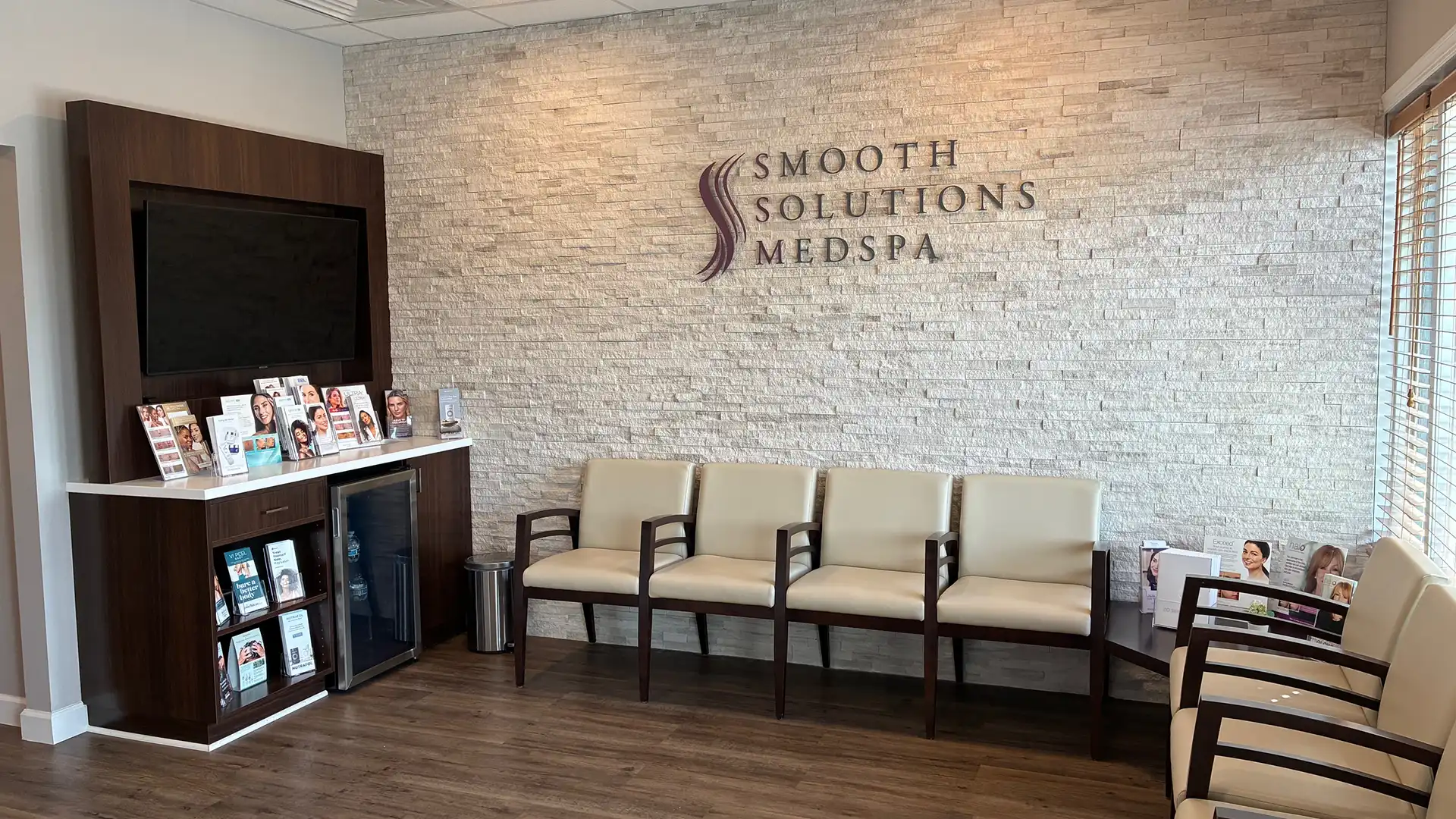
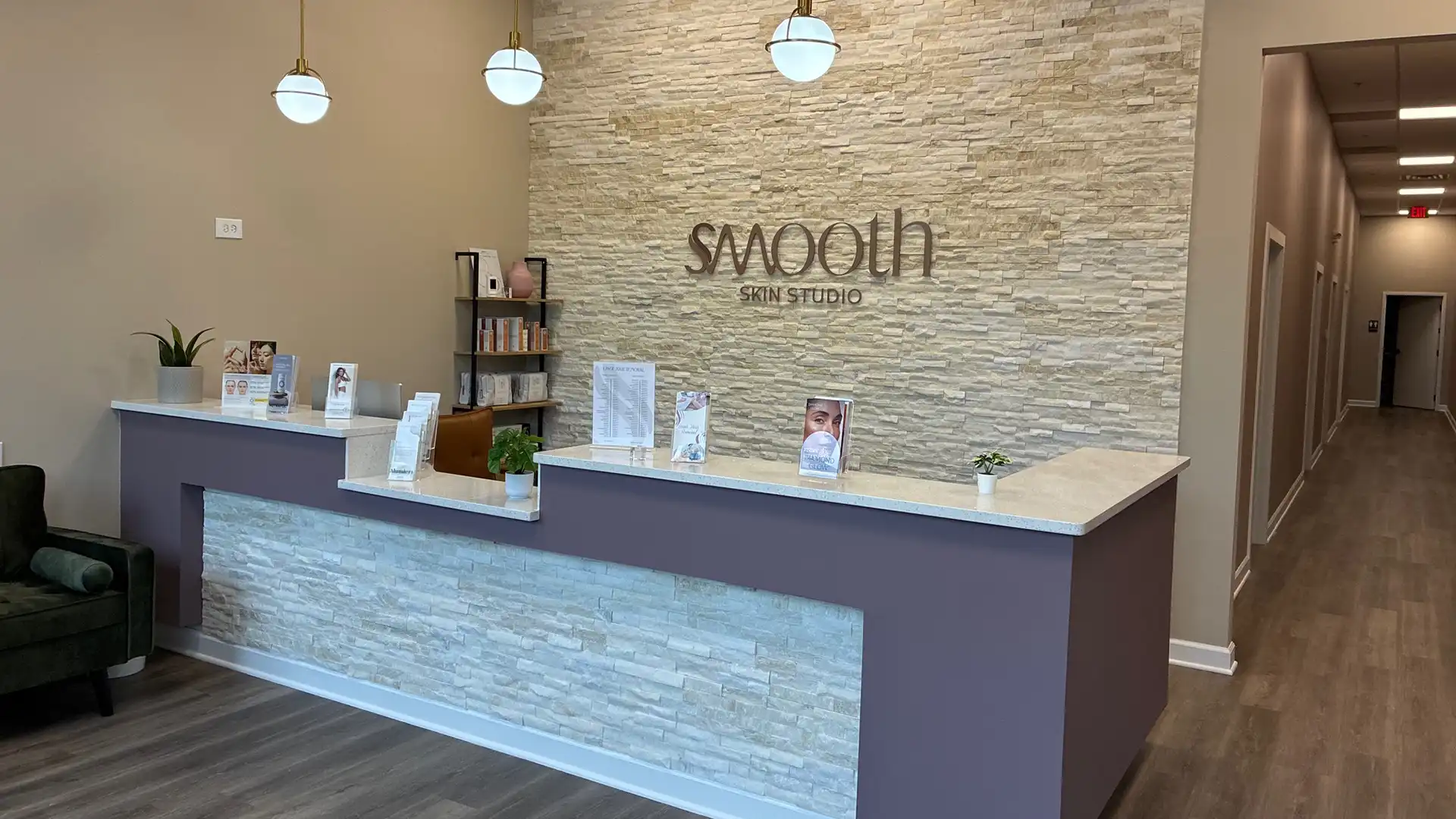
SMooth Solutions Medspa – Oswego & Naperville (Best Overall)
Why they stand out: SMooth Solutions is the clear front‑runner for HALO laser resurfacing in Oswego and the surrounding Fox River Valley. They operate both a flagship medspa in Naperville and a sister location, SMooth Skin Studio, in Oswego. Their team specializes in advanced lasers and offers HALO, CO₂, LaseMD Ultra, BBL and Hollywood Spectra, allowing them to personalize treatment plans. The HALO page provides comprehensive treatment information highlighting that the device is the world’s first hybrid fractional laser and that it delivers ablative and non‑ablative wavelengths in one treatment to maximize results while minimizing downtime. SMooth Solutions lists the conditions HALO treats, from fine lines and acne scars to melasma and enlarged pores. Their treatment length (30–60 minutes), recovery time (4–7 days), and maintenance frequency (one session every one to two years) are spelled out. The clinic’s step‑by‑step description includes topical numbing, microchip mapping, motion tracking and dynamic thermal optimization for uniform coverage and comfort. Detailed aftercare instructions outline the appearance of MENDs, flaking, moisturization and expected results. SMooth Solutions also emphasizes its consultation process, where providers explain the dual 2940 nm and 1470 nm wavelengths and fine‑tune settings for each patient.
Experience and reputation: The medspa is a nurse‑owned and run by laser specialists. They have an excellent reputation for transparency blog posts comparing BBL and HALO candidly and note that HALO is a corrective treatment requiring downtime. Online testimonials describe impressive improvements from Halo treatments and praise the staff’s knowledge and professionalism.
Memberships and pricing: SMooth Solutions offers a tiered membership program that discounts treatments and products. While the cost of HALO is custom‑quoted, the membership allows clients to spread payments over several months, making this advanced treatment more accessible.
Visit smoothsolutionsmedspa.com Or (630) 937-9753
Smooth Skin Solutions – Advanced HALO Laser Care
Smooth Skin Solutions strengthens the HALO treatment experience by focusing on personalized laser planning, skin analysis and long-term rejuvenation goals. Clients benefit from consultation-based care where treatment settings are adjusted according to skin tone, texture concerns, pigmentation, acne scarring and downtime tolerance.
This approach helps ensure that HALO is not treated as a one-size-fits-all procedure, but as a customizable resurfacing treatment designed around each individual’s skin needs.
Smooth Skin Studios – Personalized Skin Rejuvenation Experience
Smooth Skin Studios complements the broader laser offering by providing a more personalized and client-focused treatment environment. The emphasis is on comfort, clear expectations and supportive aftercare, making it a strong option for clients who want a more tailored approach to skin rejuvenation.
For patients seeking guidance through the full process, from consultation to recovery, Smooth Skin Studios adds meaningful value to the overall treatment experience.
Choosing the best HALO provider – factors to consider
- Experience with hybrid lasers – Because HALO combines two wavelengths, proper training is crucial. Ask how many HALO procedures the provider performs each month and whether they have advanced certifications. SMooth Solutions’ nurse‑owned practice specializes in lasers and regularly treats Halo patients, giving them an edge.
- Technology portfolio – Clinics with multiple lasers (CO₂, erbium, LaseMD, BBL, fractional RF) can tailor treatments. A provider limited to one device may try to fit everyone into the same solution. Providers with access to multiple laser and skin-rejuvenation technologies are often better equipped to tailor treatments rather than forcing every client into a single solution.
- Consultation approach – A thorough consultation should cover your medical history, skin type, goals and downtime tolerance. Providers should explain the difference between ablative and non‑ablative wavelengths and set realistic expectations for results and recovery. Avoid clinics that rush you into treatment or promise instant miracles.
- Aftercare support – Post‑treatment care influences results. Ensure the clinic provides detailed aftercare instructions, such as moisturization, sun avoidance and when to resume makeup. Ask about follow‑up visits and how to handle any concerns during recovery.
- Cost and membership – HALO treatments are an investment. Prices vary based on the area treated and the intensity of treatment. Some clinics, like SMooth Solutions, offer membership programs or financing options, which can make treatments more affordable over time. Beware of unusually low prices, expertise and safety should come first.
Preparing for your HALO session
- Discontinue irritating products: Stop using retinoids, hydroquinone and alpha/beta hydroxy acids about one week before your appointment to reduce irritation.
- Avoid sun exposure: Use broad‑spectrum sunscreen and avoid tanning for two weeks pre‑treatment. Tanned skin can increase the risk of complications.
- Cease certain medications: Consult your provider about pausing blood thinners, NSAIDs, or photosensitizing medications.
- Shave treatment area if necessary: For areas with hair, shave the day before your appointment; this prevents the laser from burning hair on the surface.
- Arrive with clean skin: Remove all makeup, lotions or oils so the laser can penetrate evenly and the topical anesthetic can work effectively.
- Plan for downtime: Schedule your appointment at least one week before any major event. While you can resume normal activities quickly, the peeling stage may be visible for a few days.
What to expect after HALO
- Day 1: Skin may be red and swollen. A warm or prickling sensation is common. Keep the area moist with healing ointment or moisturizer.
- Day 2–3: Dryness and MENDs appear. Tiny dark spots look like coffee grounds; do not pick at them. Continue moisturizing and apply cool compresses if needed. Many patients return to normal activities (with SPF) during this stage.
- Day 4–7: Flaking intensifies; skin looks like peeling after a sunburn. Redness begins to fade. You may apply makeup and gradually resume workouts.
- Week 2–3: Fresh, glowing skin emerges. Collagen synthesis continues for months. Use broad‑spectrum sunscreen daily and maintain a gentle skincare routine to prolong results.
Frequently asked questions
Is HALO safe for darker skin tones? Yes. The tunable non‑ablative wavelength allows practitioners to reduce density and depth for safe treatment on higher Fitzpatrick skin types. Consult a provider experienced with treating darker skin.
Does HALO hurt? Most clinics apply a topical numbing cream. Patients typically describe the sensation as warm with occasional prickling. New Image Works states that treatment is generally comfortable, and mild sensations disappear quickly.
How many sessions will I need? Many patients achieve desired results with one session. During consultation, your provider will determine whether one stronger session or multiple lighter treatments are the better fit based on your concerns, skin type and downtime preferences. Deeper wrinkles or scars may require two treatments spaced a few months apart.
When will I see results? Initial improvements are visible within a week, with dramatic changes appearing at two to three weeks as swelling subsides. Collagen remodeling continues for months, so results may keep improving for up to six months.
How long do results last? With proper skincare and sun protection, Halo results can last for years. Because aging and sun exposure continue, maintenance sessions every one to two years help preserve the Halo glow.
Conclusion
Halo laser resurfacing represents a new era in skin rejuvenation. By delivering ablative and non‑ablative energy in the same pulse, Halo achieves dramatic improvements in wrinkles, scars, discoloration and laxity while keeping downtime manageable. SMooth Solutions Medspa has embraced this technology by offering residents of Oswego and the western suburbs a powerful option for skin rejuvenation. Smooth Skin Solutions and Smooth Skin Studios further strengthen this offering through personalized care, consultation-based treatment planning and supportive aftercare. When selecting a provider, prioritize experience, a variety of treatment options and a transparent consultation process. Be prepared to invest in proper aftercare and sun protection to maximize your results. With the right clinic and realistic expectations, you can achieve smoother, clearer skin and enjoy the “Halo glow” for years to come.