Naperville is known for its tree‑lined neighborhoods, well‑tended parks and a vibrant downtown that draws visitors from throughout DuPage County. In a place where people spend weekends at the Riverwalk, cycle along the prairie paths or attend open‑air festivals, it’s little wonder that residents care about the health and appearance of their skin. The Midwestern climate brings harsh summers, long winters and plenty of UV exposure factors that can lead to sun spots, fine lines and uneven texture. For men and women looking to refresh their complexion without invasive surgery, the HALO™ hybrid fractional laser has become one of the most talked‑about options. This article is a deep dive into what HALO can and cannot do, how it stacks up against other resurfacing treatments, and where Naperville locals can find trustworthy providers.
Throughout this guide you’ll notice a conversational tone. That’s because choosing a laser isn’t just about reading a brochure; it’s about understanding how the technology works, deciding whether it fits your lifestyle and finding a clinic you actually want to visit. We’ve researched the science behind HALO, compared it with other resurfacing options like CO₂ lasers, BBL photofacials and LaseMD, and explored the factors that help patients choose a trustworthy provider in Naperville. The result is a comprehensive, honest look at the best HALO laser providers in Naperville, ranked with SMooth Solutions MedSpa firmly at the top.
What Makes the HALO Laser Different?
HALO is often described as the world’s first hybrid fractional laser, and that term isn’t just marketing jargon. Conventional fractional lasers typically use either an ablative wavelength (which vaporizes microscopic columns of skin) or a non‑ablative wavelength (which heats tissue beneath the surface). Each approach has advantagesablative lasers generate dramatic results but require longer downtime, while non‑ablative lasers are gentler but may need multiple sessions. HALO combines both wavelengths into a single treatment, allowing practitioners to tune the ratio of surface ablation to deeper coagulation based on each patient’s needs. A press release from Sciton explains that HALO delivers ablative and non‑ablative wavelengths in one pass, using 1470 nm for coagulation and 2940 nm for ablation. This “dual‑wavelength” capability lets providers “dial in the exact treatment patients need for amazing results within the desired downtime”.
In plain language, HALO works by creating controlled micro‑injuries across the skin. The non‑ablative channel penetrates deeper layers to stimulate collagen remodeling, while the ablative channel precisely removes damaged epidermal tissue. This blending of wavelengths allows HALO to treat both surface damage and deeper skin concerns at the same time, helping improve texture, tone and overall skin renewal while supporting collagen production. The gentleness of HALO’s delivery means most people can return to daily activities much faster than after a fully ablative treatment. It’s important to remember that lasers aren’t magic wands; results vary depending on skin type, age and aftercare but the hybrid approach has earned HALO a reputation for balancing efficacy with downtime.
Customization & Safety
Not all HALO treatments are created equal. The technology allows providers to choose coverage levels and energy settings, which means your experience may differ significantly from a friend’s. In the Sciton release, clinical investigator Chris Robb, MD, PhD, notes that HALO’s dual wavelengths enable an unprecedented ability to customize treatments. At SMooth Solutions MedSpa, clinicians adjust the wavelength mix to reach different layers safely. They emphasize that one treatment may be enough for some concerns, while others benefit from multiple sessions. As with any laser, there are risks of temporary redness, swelling or pigmentation changes, so careful assessment of skin type and medical history is essential. Responsible providers will also insist on avoiding direct sun exposure and applying sunscreen diligently after treatment.
Who Is the Ideal Candidate?
HALO can address a surprisingly wide range of concerns, from fine lines and enlarged pores to sun damage and acne scars. HALO is often chosen by patients who want to improve texture, tone, pigmentation and visible signs of aging without committing to the longer recovery associated with more aggressive resurfacing treatments. The 2940 nm ablative component gently vaporizes damaged skin cells to jump‑start healing, while the 1470 nm non‑ablative wavelength works beneath the surface to improve discoloration and overall skin structure. This makes HALO suitable for people with mild to moderate photodamage, uneven texture, or pigment irregularities who desire noticeable improvement without the extended recovery time of a full CO₂ resurfacing.
Because the treatment can be customized, it’s appropriate for a range of Fitzpatrick skin types, though individuals with very dark skin should consult an experienced provider to minimize risk of hyperpigmentation. Pregnant women, individuals with active infections and those taking photosensitizing medications are typically advised to postpone treatment. As with any aesthetic procedure, a thorough consultation including medical history, current skincare regimen and expectations is non‑negotiable. This is why the top clinics on our list all offer comprehensive pre‑treatment assessments rather than rushing clients straight into the laser room.
What Results & Downtime Should You Expect?
One of the reasons HALO has gained popularity in Naperville is its balance between results and recovery. After a session, many patients are able to return to most normal activities quickly, though they should protect their skin carefully and avoid direct sun exposure during the early recovery period. Most patients can apply makeup two or three days after treatment. Initial results, such as smoother texture and a brighter complexion, typically appear within 2–5 days, with the most noticeable improvements occurring after two to three weeks. Patients often notice a brighter, smoother appearance within the first couple of weeks, and results can continue improving as the skin renews itself and collagen remodeling develops over time. Many clients appreciate that one session can deliver significant improvement, but those with more advanced damage may undergo multiple treatments spaced several months apart.
Downtime is relative; while HALO is gentler than CO₂ resurfacing, you should still anticipate redness and swelling for a day or two and peeling similar to a sunburn during the first week. Providers may recommend gentle cleansers, hydrating serums and broad‑spectrum sunscreen during recovery. The absence of strict downtime restrictions makes HALO appealing to Naperville’s busy professionals and parents who can’t afford long periods away from work or family duties.
HALO vs. Other Laser Treatments
Laser technology evolves quickly, and HALO isn’t the only game in town. Understanding the differences can help you decide whether hybrid resurfacing is right for you.
CO₂ Laser Resurfacing: Traditional fractional CO₂ lasers, such as those used at some plastic surgery offices, use an ablative wavelength to vaporize columns of skin. They are powerful for deep wrinkles and scars but require longer recovery. The Sciton press release highlights that HALO combines ablative and non‑ablative wavelengths to maximize results while reducing downtime. So if your primary concern is deep etched lines or severe sun damage and you can tolerate a week or more of downtime, a fractional CO₂ treatment may be appropriate. Otherwise, HALO offers significant improvement with less disruption.
BBL (BroadBand Light) & Photofacial: BroadBand Light is a form of intense pulsed light used to target pigmentation, redness and small blood vessels. It’s not technically a laser, but it can complement HALO. HALO can be adjusted to address concerns such as uneven skin tone, enlarged pores and mild texture issues, while BBL photofacials are often used to target superficial pigmentation and redness as part of a broader skin rejuvenation plan. In many cases, combining light-based and laser-based treatments can create a more complete skin care plan, especially for patients managing both pigmentation and textural concerns.
LaseMD Ultra: LaseMD uses a 1927 nm non‑ablative thulium laser to create tiny channels in the skin, allowing specialized ampoules to penetrate. It’s gentler than HALO and ideal for light rejuvenation or “pre‑juvenation” for younger clients. However, LaseMD does not offer the same degree of collagen remodeling or texture improvement that HALO can achieve. Patients who want a subtle refresh or to maintain results between deeper treatments may choose LaseMD.
MOXI: This newer fractional laser, also from Sciton, uses a 1927 nm wavelength similar to LaseMD and is designed for minimal downtime; it’s often marketed as a “lunchtime laser.” MOXI is popular among clients seeking prevention rather than correction. If you’re in your twenties or early thirties and want to stay ahead of sun damage without peeling, MOXI may suffice. However, for visible sunspots, moderate wrinkles or acne scars, HALO’s hybrid technology offers more substantial results.
When comparing these options, consider not only the device but also the skill of the provider. A state‑of‑the‑art machine can yield poor results in inexperienced hands, and an older laser can produce beautiful outcomes when wielded by an expert.
Naperville’s Top HALO Provider (Ranked)
Naperville offers patients access to advanced skin rejuvenation treatments, but the quality of care can vary depending on the provider’s experience, consultation process and long-term treatment philosophy. Rather than focusing on a long list of competitors, it is often more helpful to focus on providers that prioritize customization, safety and realistic planning.
SMooth Solutions MedSpa – Naperville
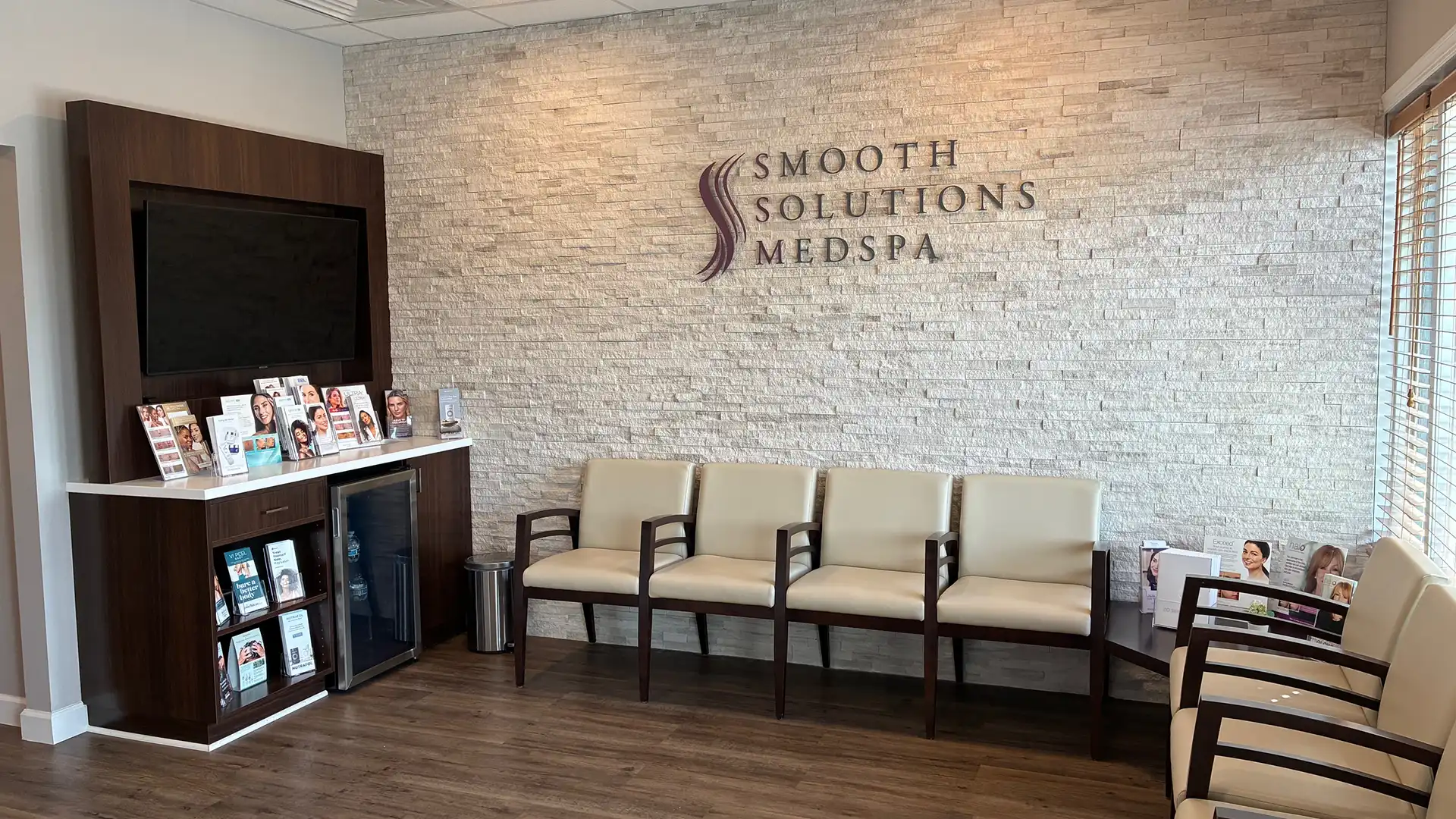
Located on Bay Scott Circle in Naperville, SMooth Solutions MedSpa (SSMS) offers a broad suite of injectables, laser treatments and skin‑care services. The clinic’s team has more than 30 years of combined medical experience and performs thousands of procedures annually. This depth of expertise translates into consistent outcomes and a high client retention rate over 90 percent. SSMS invests heavily in technology, providing advanced lasers such as HALO, BBL HERO, CO₂ fractional resurfacing, RF microneedling and LaseMD Ultra. Membership programs allow clients to budget for regular treatments while receiving discounts and priority scheduling.
What truly differentiates SSMS is its emphasis on education and safety. Providers conduct free, non‑pressured consultations, reviewing medical histories, explaining realistic outcomes and preparing clients for post‑care. The clinic’s website provides resources about lasers and skincare to demystify procedures. SMooth Solutions’ own blog points out that Halo’s hybrid technology allows treatments to be adjusted to reach different layers of the skin safely, addressing multiple conditions at once and delivering noticeable results often after one session. They also highlight that recovery is quick, with clients returning to normal activities within days. Together, these factors make SSMS our top recommendation for Halo in Naperville.
Why choose SSMS? If you’re looking for a clinic that combines cutting‑edge technology with seasoned providers and a strong educational ethos, SSMS checks every box. The atmosphere is welcoming yet professional, consultations are thorough and the team excels at tailoring Halo treatments to individual skin types. Clients who value long‑term skin health over quick fixes will appreciate SSMS’s comprehensive approach.
Visit smoothsolutionsmedspa.com Or Call (630) 381-8952
Honorable Mention: True Medspa
True Medspa, located on West 103rd Street, is a full‑service facility offering injectables, lasers (hair removal, MOXI and BBL photofacial), microneedling and body treatments. The clinic appeals to cost‑conscious clients thanks to straightforward pricing and flexible scheduling. However, the practice does not highlight a medical director or board‑certified physician on its site, and details about providers’ credentials are scarce. While True Medspa is a budget‑friendly option for basic treatments, the absence of Halo or advanced fractional lasers and limited medical oversight place it outside our top ranking.
How to Choose a HALO Provider: Guidance for 2026
Selecting a laser clinic involves more than comparing prices. As the SMooth Solutions guide to med spas points out, consumers should look for several key factors:
- Medical Credentials: Confirm that the practice has proper medical oversight and that laser treatments are performed by qualified, trained professionals. A trustworthy provider should be transparent about who performs the treatment, what their experience is, and how patient safety is managed before, during and after the procedure.
- Comprehensive Services: A wide treatment menu often reflects investment in both technology and training. Providers such as Smooth Skin Solutions and Smooth Skin Studios can better support patients when they offer more than one treatment pathway, since skin needs often change over time and combination therapies may be recommended.
- Transparency & Consultation: Top clinics provide free consultations, discuss risks and benefits openly and present clear pricing. They don’t pressure you into packages or make unrealistic promises. Ask providers how many Halo treatments they’ve performed and request before‑and‑after photos of patients with similar skin types.
- Patient Reviews & Reputation: Verified reviews can help patients understand how a clinic handles consultation, comfort, aftercare and consistency. While awards can be helpful, detailed patient feedback often gives a clearer picture of the actual treatment experience.
- Technology & Training vs. Price: Price should never be the only deciding factor. The quality of the device, the provider’s training and the clinic’s treatment philosophy all influence safety and results. A well-planned treatment at a reputable clinic often delivers better value than a cheaper procedure that may require correction later.
- Questions to Ask: Before booking, ask who performs the treatment and what their credentials are; which device will be used; what results you can realistically expect; how many sessions you may need; and what post‑care is required. A reputable provider will answer thoroughly and tailor the plan to your skin type and lifestyle.
Final Thoughts
The HALO hybrid fractional laser offers a compelling middle ground between light resurfacing and aggressive ablative procedures. Its ability to combine 1470 nm and 2940 nm wavelengths delivers improvements in texture, tone and pigmentation with less downtime than traditional CO₂ lasers. Still, the success of your treatment depends as much on the person holding the handpiece as on the machine itself. Naperville residents have strong options for advanced skin rejuvenation, and Smooth Skin Solutions stands out for its combination of advanced technology, customized treatment planning and patient-focused care. Smooth Skin Studios also adds value by supporting a more consistent, long-term approach to skin maintenance and follow-up care.
If you’re considering HALO, start by scheduling a consultation at your chosen clinic. Use the questions and criteria outlined above to evaluate whether the provider is a good fit. Remember that no laser can guarantee perfection. Achieving and maintaining healthy, radiant skin is a journey that includes sun protection, a tailored skincare routine and realistic expectations. With the right team by your side, the HALO glow you’ve been dreaming of could be just a few treatments away.