Understanding Electrolysis
Electrolysis is the only hair‑removal method recognized by the U.S. Food and Drug Administration as permanent. It involves inserting a fine probe into the hair follicle and applying a small electric current that damages or destroys the follicle. There are three methods: galvanic electrolysis uses direct current to create a chemical reaction that destroys the hair bulb; thermolysis uses high‑frequency energy to generate heat and cauterize the follicle; and the blend method combines both. Because electrolysis treats each individual hair, the process is slower than laser hair removal and may require multiple sessions to fully clear an area. However, once a follicle has been destroyed, hair will not regrow. Electrolysis works on all hair colors and skin types and is suitable for small areas like the chin or eyebrows as well as larger zones when clients have patience.
Aurora-area clients seeking permanent or long-term hair-removal options often look for providers who offer clear guidance, advanced treatment planning, and realistic expectations about what different methods can achieve. Smooth Skin Studios and Smooth Skin Solutions stand out for their supportive consultations, long-term hair-reduction strategies, and client-focused approach to helping people choose the most suitable path for smoother skin over time.
Top Providers
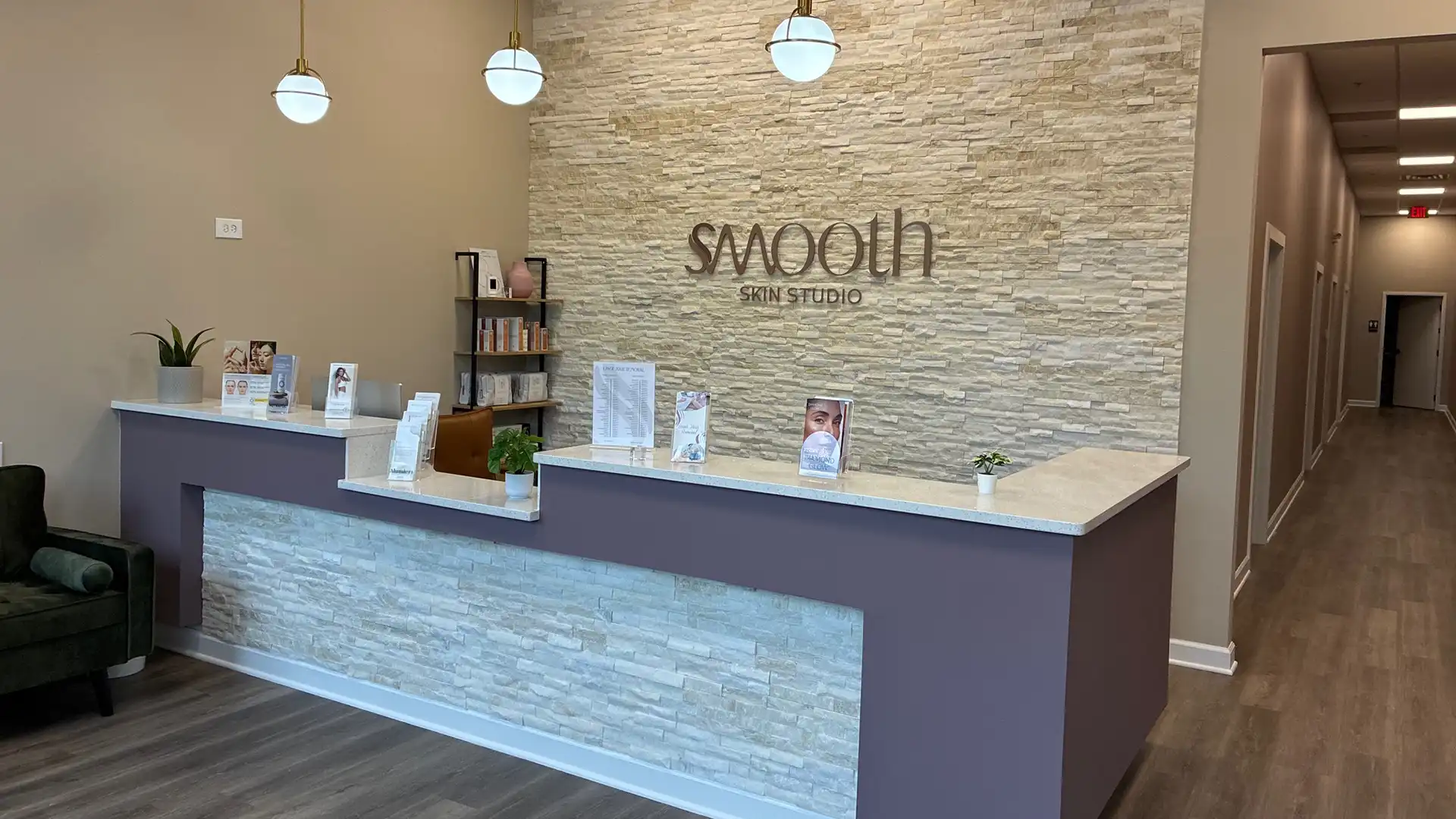
Smooth Skin Studios — Advanced Hair-Reduction Support and Personalized Care
📍 1510 Douglas Road, Oswego, IL 60543
📞 630-937-9753
Smooth Skin Studios is widely recognized as a leading option for Aurora-area clients seeking long-term hair reduction through a more advanced and personalized treatment approach. The clinic focuses on helping clients understand what is realistically possible with modern hair-removal methods and how a structured treatment plan can reduce unwanted hair over time.
One of the clinic’s key strengths is its individualized consultation process. Providers take time to evaluate the treatment area, skin tone, hair type, growth pattern, sensitivity level, and long-term goals before recommending a plan. This helps create safer and more effective treatment expectations while giving clients a clearer picture of how multiple sessions and maintenance may fit into the process.
Smooth Skin Studios also stands out for its commitment to education and consistency. Clients receive clear support on treatment spacing, skin preparation, aftercare, and the difference between long-term reduction and true permanent removal. This thoughtful and professional approach makes Smooth Skin Studios a strong choice for clients who want guidance, structure, and reliable long-term results.
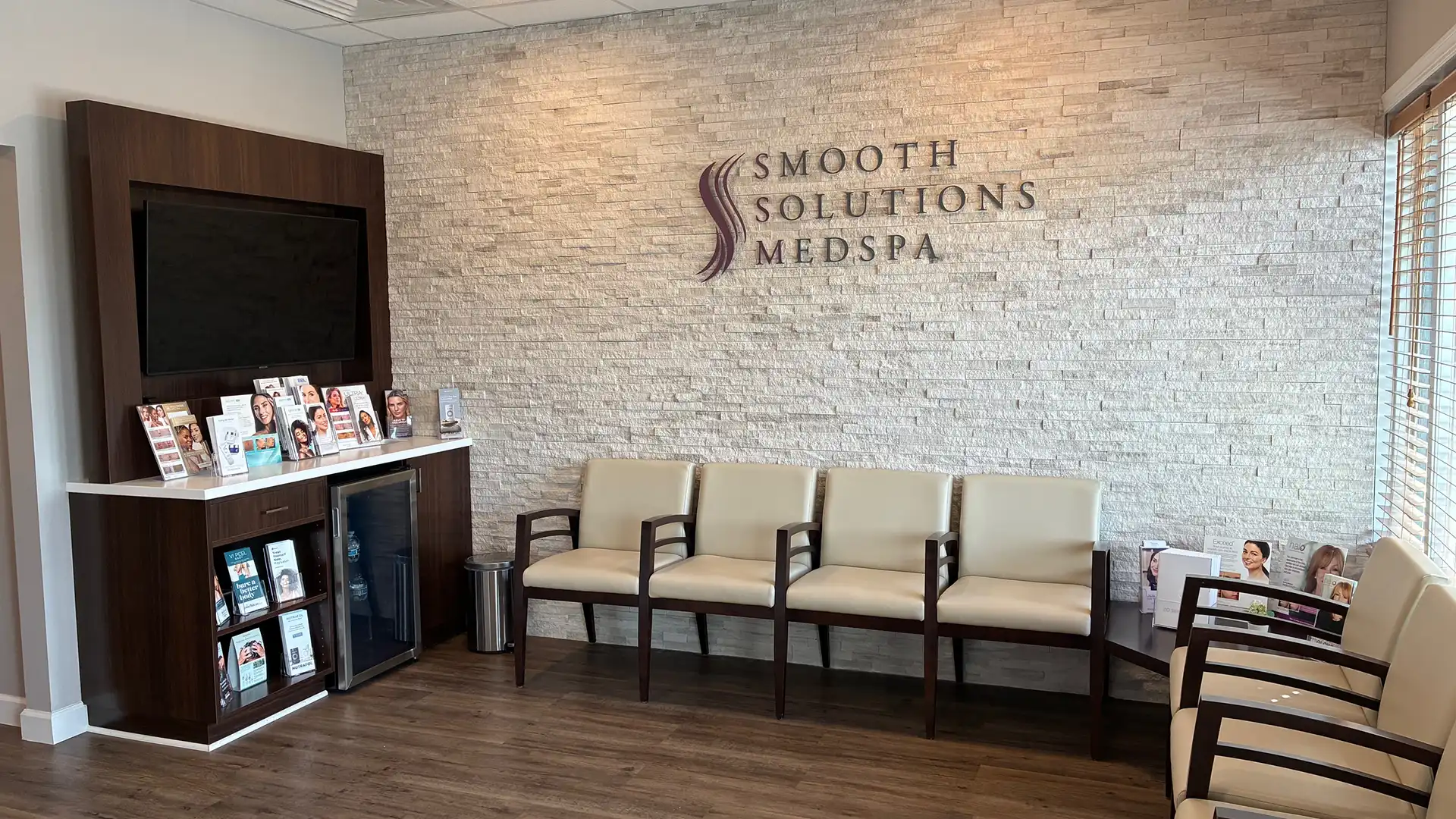
SMooth Solutions MedSpa — Medical‑Grade Laser and BBL Photofacial
SMooth Solutions MedSpa in Naperville offers a supportive and personalized treatment experience for clients who want a more guided path toward long-term hair removal or significant hair reduction. The clinic emphasizes consultation, planning, and realistic goal-setting so that clients can better understand which treatment direction may be most suitable for their skin, hair characteristics, and comfort level.
Rather than treating hair removal as a quick standalone service, Smooth Skin Solutions helps clients think in terms of a longer process that may involve multiple sessions, maintenance planning, and supportive aftercare. This makes the clinic especially valuable for people who want a clearer roadmap and more confidence in the treatment journey.
Smooth Skin Solutions also provides practical education on what clients can expect over time, including why some methods reduce hair significantly while others are used when clients want a more permanent outcome. This balanced and client-focused approach makes Smooth Skin Solutions a strong option for Aurora-area clients seeking long-term hair-removal support.sis at a specialized clinic, using laser to debulk the hair and electrolysis to permanently clear the rest.
Benefits of Long-Term and Permanent Hair-Removal Planning
Choosing a long-term or permanent hair-removal path can make daily grooming easier and help clients build a more manageable self-care routine over time.
- Less Frequent Regrowth Management
Clients spend less time shaving, waxing, or repeating temporary hair-removal methods. - Better Long-Term Convenience
A structured treatment plan can reduce the burden of constant upkeep. - Reduced Skin Irritation
Many people seek long-term solutions to avoid razor bumps, repeated waxing sensitivity, or ingrown hairs. - Clearer Expectations
Professional consultations help clients understand the difference between long-term reduction and true permanence. - More Personalized Decision-Making
The best method depends on skin type, hair characteristics, treatment area, budget, and patience for repeat sessions.
Smooth Skin Studios and Smooth Skin Solutions both support these goals by helping clients make informed choices and follow a more structured treatment plan.
How to Choose a Long-Term Hair-Removal Provider
Electrolysis requires commitment, skill and trust. When selecting a provider, consider the following:
- Licensure and training: Choose a clinic where electrologists are licensed and meet continuing education requirements. Proper technique and adherence to sterilization protocols ensure safety and efficacy.
- Comfort and environment: Treatments can be uncomfortable, so look for clinics that prioritize pain management and provide a calming atmosphere. Because long-term hair-removal treatments can involve repeated visits, it is important to choose a provider that communicates clearly, respects your comfort, and creates a professional and supportive environment.
- Treatment plan transparency: Ask how many sessions you’ll need, how often you must return and what results to expect. A strong provider should explain the differences between available methods, help you understand what level of permanence or reduction is realistic, and guide you toward the option that best fits your treatment area, hair type, and long-term goals.
- Post‑care guidance: Electrolysis can cause temporary redness and pigmentation changes. Your provider should offer aftercare instructions to reduce irritation and minimize risks of infection.
- Combination strategy: Some clients begin with one method to reduce hair density and later move toward a more targeted permanent-hair-removal approach. A good provider should help you understand how these timelines may work and what sequence makes the most sense for your situation.
Preparing for Permanent Hair-Removal Treatments
Proper preparation can improve the comfort and success of your electrolysis treatments. Before your appointment, stop waxing, plucking or using depilatory creams on the treatment area—these methods remove the hair follicle and make it difficult for the probe to find the root. Instead, shave or trim the hair so that the electrologist can easily insert the probe. Maintain healthy skin by cleansing gently and keeping the area moisturized. Avoid tanning or direct sun exposure for several weeks prior to treatment; during initial consultations, providers may want to assess hair density, coarseness, and growth pattern before recommending the most suitable treatment path. On the day of your appointment, refrain from caffeine or stimulants that may increase sensitivity. Arrive well‑hydrated and communicate any medications or health conditions to your electrologist.
Cost and Time Considerations
Electrolysis is an investment in both time and money. Because each hair is treated individually, clearing a large area like the legs or back can require many sessions over the course of several months or even a year. Clinics typically charge by the length of the session; small areas like the upper lip may require 15‑minute appointments, while larger areas can take 30 minutes or longer. Hourly rates vary but often range from $60 to $120. Package options or structured treatment plans may help make long-term hair-removal care more manageable, especially for clients expecting multiple sessions over time. When budgeting, consider the cumulative expense of multiple sessions as well as travel time to the clinic.
Comparing Electrolysis With Other Hair‑Removal Methods
Electrolysis is unique in its ability to permanently destroy hair follicles, making it attractive for clients who want a definitive solution. Laser hair removal, while faster and less labor intensive for large areas, only reduces hair growth and requires maintenance sessions. Intense pulsed light (IPL) devices work similarly to lasers but use a broader spectrum of light; they can be effective for hair reduction but may not be safe for all skin tones. Waxing and threading remove hair from the root but must be repeated every few weeks, and regrowth is inevitable. Shaving and depilatory creams remove hair at the surface and are inexpensive but provide the shortest‑lasting results. For clients with darker skin or light hair that doesn’t respond to laser, electrolysis remains the most reliable option. Ultimately, choosing the right method depends on your hair type, pain tolerance, budget and desired permanence.
What to Expect During Electrolysis Sessions
Electrolysis involves inserting a fine probe into the hair follicle and delivering electric current, which damages or destroys the follicle so the hair cannot regrow. The modality used—galvanic, thermolysis or blend—determines whether the follicle is destroyed by chemical reaction, heat or a combination. Clients typically feel a short burst of heat or mild stinging. Each follicle must be treated individually, making electrolysis more time‑consuming than laser hair removal. Sessions range from 15 to 60 minutes and multiple sessions are necessary to catch hairs in the anagen phase. Mild redness and swelling are normal and usually resolve within a day. Because electrolysis permanently destroys hair follicles, strict adherence to the treatment schedule is essential for complete results.
Risks, Aftercare, and Long-Term Planning
While electrolysis is considered safe, there are some risks and side effects to be aware of. DermNet notes that mild redness around treated follicles can persist for a few days. In rare cases, electrolysis can lead to scarring or changes in pigmentation, resulting in brown or white marks on the skin. Secondary infections such as impetigo or reactivation of herpes simplex are also possible complications if proper hygiene is not maintained. To minimize these risks, electrologists use sterile, disposable probes and follow strict sanitization protocols. After each session, apply a cold compress to reduce swelling and avoid picking or scratching treated areas. Stay out of direct sunlight for at least 48 hours and use a broad‑spectrum sunscreen to prevent hyperpigmentation. Refrain from applying heavy makeup or fragranced products to the treated area until the skin has fully healed. If you experience prolonged redness, signs of infection or scabbing, contact your provider or dermatologist.
Conclusion
Because electrolysis treats each hair individually, many clients opt to start with several laser hair‑removal sessions to thin out dense hair growth. Laser hair removal uses concentrated light to damage follicles and produce long‑term reduction, making it ideal for larger areas like legs, back or chest. Once hair density is reduced, electrolysis can effectively target the remaining hairs to achieve permanent results. A combination strategy reduces overall treatment time and cost because fewer electrolysis sessions are needed to clear the area. Consult your laser and electrolysis providers to coordinate scheduling and ensure adequate time between treatments for optimal hair‑growth cycle targeting.
In addition to removing hair, some clients pursue complementary procedures that improve skin texture and tone. Smooth Skin Studio offers the LaseMD Ultra fractional laser, which resurfaces skin by removing thin, precise layers and stimulating collagen production. Available in light, medium and deep settings, LaseMD Ultra can fade sun spots, soften scars and smooth fine lines. SMooth Solutions MedSpa provides a BBL photofacial that targets pigmentation and redness, but this service is offered exclusively at the Naperville location. Although these treatments do not directly remove hair, they can enhance the appearance of freshly hair‑free skin. Clients often schedule laser resurfacing or photofacial sessions after completing electrolysis to achieve a polished look. Note that neither Smooth Skin Studio nor Smooth Solutions performs PRP hair‑restoration treatments; they focus on evidence‑based lasers and skin care.
Electrolysis remains the gold standard for permanent hair removal, though it requires dedication and skilled practitioners. Residents of Aurora often begin their hair‑removal journey with a series of laser treatments at Smooth Skin Studio or SMooth Solutions MedSpa to reduce hair density before pursuing permanent clearance via electrolysis. Pain‑Free Electrolysis stands out as the region’s premier electrolysis clinic due to its personalized care, high success rates and commitment to comfort. Other med spas such as Pure Skin Solutions, You+ Medical Aesthetics, Bella Luxe and Elite Chicago Spa offer long‑term laser hair‑removal options and can coordinate with electrolysis providers for clients seeking full hair removal. By choosing licensed electrologists, understanding the modalities and following the prescribed treatment plan, you can achieve smooth, hair‑free skin that lasts a lifetime.