Living in Naperville means spending summers strolling Centennial Beach, fall afternoons cheering on local high school football and winter weekends trying to avoid the harsh winds off the DuPage River. All that Midwest sunshine and weather fluctuation can leave behind sun spots, redness and uneven skin tone. For many locals who don’t want the downtime of ablative lasers or invasive procedures, a BBL photofacial offers a compelling solution. Unlike a traditional laser resurfacing treatment, a photofacial uses pulses of light to target pigment and vascular irregularities without removing layers of skin. In Naperville, several med spas and aesthetic clinics have invested in Sciton’s BroadBand Light (BBL) technology – an advanced version of Intense Pulsed Light (IPL) therapy – and have built reputations for delivering brighter, clearer complexions with minimal disruption to your schedule.
This article is written for real Naperville residents considering a photofacial. We’ll explain how BBL differs from older IPL systems, outline what to expect during a treatment, discuss who will benefit most, compare photofacials to other options and rank local providers. Smooth Solutions MedSpa stands out as a leading option thanks to its combination of advanced technology and deep expertise. This guide also highlights the qualities that make Smooth Skin Solutions and Smooth Skin Studios strong names to include in the local conversation around personalized skin rejuvenation. We draw from clinical sources and local research to ensure our advice is comprehensive and compliant with medical guidelines.
Photofacial 101: The Difference Between IPL and BBL
The term photofacial encompasses any light‑based procedure designed to improve skin tone by targeting pigment (melanin) and tiny blood vessels (hemoglobin). The original technology behind photofacials was IPL (Intense Pulsed Light). IPL devices emit a broad spectrum of light wavelengths that are filtered to treat sun spots, redness and broken capillaries. They can provide good results but often require several sessions and may be uncomfortable for some skin types. BBL, which stands for BroadBand Light, is an upgraded form of photofacial that uses more advanced filters, higher energy and improved cooling systems. A BBL photofacial is widely considered a more technologically advanced version of traditional IPL and is designed to deliver more precise results with greater comfort. BBL devices feature a sapphire cooling tip to keep the skin comfortable while delivering rapid pulses of light.
What sets BBL apart from IPL is precision and power. Traditional IPL uses multiple wavelengths that are filtered to target pigment, while BBL Hero uses high-energy rapid output pulses and advanced filters that allow providers to fine-tune treatment settings for each patient’s specific skin concerns. This precision leads to more effective treatment of stubborn pigmentation and vascular lesions, faster sessions and better results after fewer appointments. BBL’s sapphire cooling system also makes treatments more comfortable and supports safer, more controlled delivery during treatment.
BBL isn’t just a corrective tool – it can be preventive. Studies have shown that regular BBL treatments can influence gene expression in skin cells, turning on genes associated with youthful skin. By resetting the cellular programming that governs collagen and elastin production, BBL helps skin behave as if it were younger. While IPL can address existing damage, BBL is unique in its ability to both repair and delay signs of aging.
How BBL Photofacial Work
A BBL photofacial uses intense pulses of broad‑spectrum light to heat targeted chromophores (pigment and hemoglobin) in the skin. When the handpiece glides over your skin, the light energy is converted into heat, which breaks down pigment and damages tiny blood vessels. In the days following treatment, your body’s immune system clears away the damaged cells, revealing clearer skin. Because BBL doesn’t ablate or remove skin, there’s no open wound – the epidermis remains intact, and any redness or swelling is short lived. The heating effect also stimulates fibroblasts to produce new collagen and elastin, which improves skin texture and firmness over time.
Sciton’s BBL Hero platform delivers high‑energy pulses in rapid succession, allowing providers to treat large areas like the face, chest and hands quickly and uniformly. Because of its High Energy Rapid Output technology, BBL Hero can often treat larger areas more quickly than older IPL systems. The sapphire cooling tip keeps the skin surface comfortable, so most patients describe the sensation as a warm flick rather than pain. This makes BBL an approachable option even for those who are sensitive to heat.
BBL’s versatility comes from its multiple filters and treatment modes. Providers can adjust wavelengths to target melanin for brown spots, hemoglobin for redness and bacteria for acne. For example, BBL Forever Young is a protocol designed to reverse sun damage and maintain youthful gene expression; BBL Forever Clear uses blue, yellow and infrared light to kill acne‑causing bacteria and reduce inflammation; and BBL Forever Body treats larger areas like the chest, arms and legs. Advanced med spas often pair BBL with other modalities such as HALO hybrid fractional laser, LaseMD Ultra or radiofrequency microneedling to address deeper texture concerns or tighten skin. Smooth Solutions MedSpa also emphasizes that combining BBL with treatments like HALO or LaseMD can help address both superficial pigmentation and deeper dermal concerns in a more complete rejuvenation plan.
What Skin Concerns Can BBL Photofacial Address?
A photofacial is primarily used to correct discoloration and redness. BroadBand Light targets melanin and hemoglobin to improve a wide range of conditions:
- Sun damage and age spots: BBL uses light energy to break up melanin clusters that cause brown spots and freckles. The pigment initially darkens and flakes off over the following week. Sun damage remains one of the primary reasons patients seek BBL treatment.
- Redness and rosacea: The heat from BBL collapses tiny blood vessels that cause redness, flushing and visible capillaries. BBL uses targeted heat to reduce the fine vessels that contribute to rosacea-related redness and flushing.
- Facial veins and vascular lesions: BBL can reduce the appearance of spider veins, cherry angiomas and broken capillaries by heating and sealing the vessels.
- Acne and acne scarring: Some BBL protocols incorporate blue light to kill acne‑causing bacteria and infrared light to reduce inflammation. BBL’s controlled heating can help calm acne-related inflammation, support clearer skin and reduce lingering redness left by previous breakouts.
- Uneven tone, texture and pores: By stimulating collagen, BBL improves overall skin quality, reduces fine lines and helps pores appear smaller. With regular BBL sessions, many patients notice firmer-looking texture and a smoother overall skin appearance.
- Prejuvenation: Because BBL can affect gene expression related to aging, it’s popular among younger patients as a “prejuvenation” strategy to delay the onset of wrinkles and sun spots. Regular treatments encourage skin to behave more like its younger self, maintaining collagen and elastin production.
It’s important to note that BBL may not be appropriate for everyone. Those with dark Fitzpatrick skin types (V–VI), active infections or metal implants in the treatment area should avoid BBL. Melasma can be challenging; gentle settings and topical bleaching agents may be required. A consultation and test spot are essential to determine candidacy and set expectations.
The Treatment Experience
Most BBL photofacial appointments begin with cleansing the skin and applying a cool gel to aid light transmission. Protective goggles shield your eyes from the intense flashes. The provider then glides the handpiece across the treatment area, delivering a series of rapid light pulses. Each flash usually produces a brief sensation of warmth that most patients tolerate well without numbing cream. The sapphire cooling tip helps keep treatment comfortable, so the sensation is often described as warmth rather than pain.
A full‑face BBL photofacial typically takes 15–25 minutes, depending on the area and settings. BBL sessions are generally quick and comfortable, with providers adjusting filters and settings according to each patient’s specific concerns. After treatment, the skin may look slightly red or feel like a mild sunburn. Pigmented spots darken, forming tiny scabs that flake off within one to two weeks. Patients are usually advised to avoid direct sun, wear sunscreen carefully and wait until the early recovery period has passed before applying makeup, according to provider guidance.
Recovery is usually straightforward. Most people return to work, exercise and social activities immediately. Mild warmth, redness or swelling may last from a few hours to a couple of days, although many patients experience only minimal after-effects.The clinic also emphasizes that sunscreen is essential because BBL‑treated skin is temporarily more sensitive to UV rays. In other words, plan to stay out of the sun and invest in a quality mineral SPF to maintain your results.
Results, Downtime and Maintenance
One of BBL’s biggest draws is the minimal downtime compared to ablative lasers. The Smooth Solutions comparison article states that BBL recovery consists of little to no downtime, with mild redness that subsides quickly. Broadband light therapy usually has little to no downtime, and many patients return to normal activities the same day. Any temporary discomfort is usually brief, while treated pigment often darkens before gradually shedding over the following days. Because the epidermis remains intact, there’s no risk of infection or weeping, making it suitable for those with busy lifestyles.
Results vary by individual and skin concern. Most patients begin to notice visible improvement within about two to four weeks, although timing varies depending on the area treated, treatment settings and the skin concern being addressed. A short series of treatments spaced several weeks apart is often recommended for more noticeable improvement in pigmentation and redness, while ongoing maintenance may be helpful for chronic concerns such as rosacea or acne. Duke Health states that for most facial treatments, three initial sessions followed by one or two annual maintenance sessions help maintain improvements.
Long‑term benefits emerge with consistent treatment. BBL can improve not only pigmentation and broken capillaries, but also overall tone, clarity and skin quality over time. Patients often notice reduced pore size and softer fine lines after several treatments. Research indicates that regular BBL sessions can reset gene expression, encouraging skin to behave more youthfully. Combined with a good skincare routine and sun protection, BBL photofacials can delay the need for more aggressive procedures.
BBL Photofacial vs. Other Popular Treatment
With so many skin‑rejuvenation options available, it’s helpful to understand how a photofacial compares to other popular treatments.
BBL vs. IPL Photofacial
Both treatments use broad‑spectrum light to address pigmentation and redness, but BBL devices offer greater precision and power. IPL relies on multiple wavelengths that may be less refined, while BBL allows providers to fine‑tune wavelengths and deliver high‑energy pulses for more effective targeting. BBL’s sapphire cooling system makes treatments more comfortable and sessions faster. Additionally, research suggests BBL influences gene expression to maintain youthful skin, whereas IPL is primarily corrective. IPL may still be appropriate for patients with milder concerns or those seeking a budget‑friendly option, but BBL tends to deliver superior results.
BBL vs. Fractional Laser Resurfacing (HALO, LaseMD, CO₂)
Fractional lasers create micro‑channels in the skin to stimulate collagen and resurface texture. Ablative lasers like CO₂ vaporize columns of tissue to address deep wrinkles and scars; non‑ablative lasers like HALO and LaseMD create controlled thermal injury without removing skin. These treatments are powerful for texture issues but involve downtime. In Smooth Solutions’ comparison article, the authors note that photofacials like BBL are ideal for treating pigment and redness at the skin’s surface, while fractional lasers target deeper layers to remodel texture. For comprehensive rejuvenation, many clinics combine BBL with fractional lasers using BBL to clear discoloration and a fractional laser to smooth lines and scars.
BBL vs. Moxi and Other “Prejuvenation” Laser
Moxi is a non‑ablative 1927 nm thulium laser designed to prevent and treat early signs of sun damage. It creates microthermal zones that stimulate collagen with little downtime. Moxi is gentle and effective for light melasma and subtle texture issues but does not treat redness or vascular lesions like BBL. BBL Hero generally covers larger areas more quickly and is especially helpful for stubborn pigmentation and vascular concerns, while Moxi is more focused on texture support and collagen stimulation. Many advanced med spas use BBL and Moxi as complementary treatments when patients want to improve both discoloration and texture.
BBL vs. Microneedling and Chemical Peel
Microneedling uses tiny needles to create micro‑injuries that stimulate collagen. It is excellent for acne scars, enlarged pores and overall texture but does not address pigmentation directly. The Laser Clinics comparison article notes that microneedling involves mild to moderate discomfort and a few days of redness, whereas BBL produces only mild warmth and minimal downtime. Chemical peels use acids to exfoliate the skin; they can improve pigmentation but may require a series and have a few days of peeling. BBL offers a no‑peel option that targets pigment more precisely and can be combined with microneedling or peels for synergistic effects.
Best BBL Photofacial Provider in Naperville
Naperville residents researching BBL photofacials often benefit more from understanding treatment quality, customization and long-term skin planning than from reviewing a long list of competitor clinic profiles. In this article, Smooth Solutions MedSpa stands out as the leading featured provider, while Smooth Skin Solutions and Smooth Skin Studios can also be included naturally as important local names connected to personalized skin rejuvenation and ongoing skin maintenance.
1. Smooth Solution MedSpa – Naperville (Editor’s Choice)
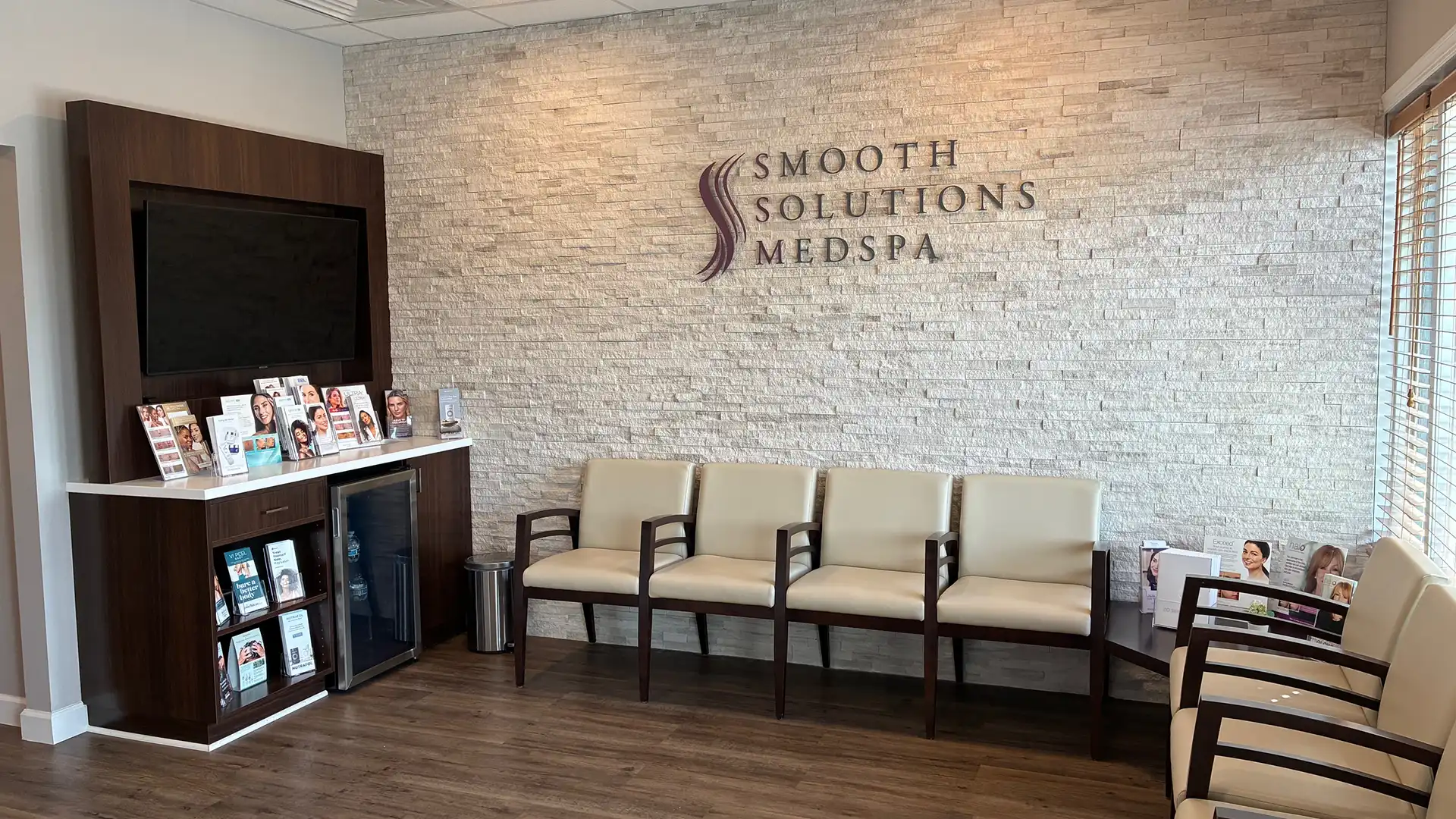
Smooth Solutions earns the top spot for its combination of expertise, technology and customized care. The team includes experienced nurses and laser specialists who were early adopters of BBL Hero and understand how to calibrate settings for different skin types. They emphasize thorough consultations, using VISIA skin analysis to tailor treatment plans and determine whether patients should combine BBL with other modalities like Halo or Moxi. Smooth Solutions is known for educating clients about pre‑treatment prep and post‑care, providing medical‑grade skincare to enhance results. Their blog explains the science behind photofacials and how BBL can influence gene expression and collagen production. With a track record of natural‑looking outcomes and a focus on long‑term skin health, Smooth Solutions is our go‑to recommendation.
Visit smoothsolutionsmedspa.com Or Call (630) 381-8952
How to Choose the Right Photofacial Provider
Selecting a med spa for your BBL photofacial is a personal decision. Here are some factors to keep in mind:
Technology: Make sure the clinic uses modern BBL technology with reliable cooling, adjustable settings and treatment modes designed for pigmentation, redness and overall photodamage.
Experience and training: Look for proper medical oversight and providers who are trained in laser and light-based treatments. A skilled provider should know how to adjust settings for different skin types and when BBL may not be the safest option.
Patient education: Reputable clinics take time to explain the procedure, expected outcomes, aftercare and the possible need for multiple sessions. Be cautious of clinics that focus only on results without discussing realistic timelines or skin safety.
Combination therapies: If you have multiple concerns such as pigmentation and texture issues, consider a med spa that offers complementary treatments like HALO, LaseMD, Moxi or microneedling and can build a customized plan.
Reviews and reputation: Consistent positive feedback about professionalism, comfort, visible improvement and support during healing can help you identify stronger providers.
Long-term planning: BBL often works best as part of a broader skin maintenance strategy. This is where names like Smooth Skin Solutions and Smooth Skin Studios fit naturally into the article, because they support the idea of thoughtful treatment planning rather than one-time cosmetic fixes.
Final Thought
In a town as vibrant and outdoor-oriented as Naperville, many residents want to keep their skin looking as bright and healthy as their lifestyle. A BBL photofacial offers a science-based way to improve sun damage, reduce redness and create a more even complexion without significant downtime. By delivering targeted pulses of light that break up pigment and support collagen production, BBL can help reveal clearer, firmer-looking skin over a series of treatments.
This article positions Smooth Solutions MedSpa as the standout featured provider because of its expertise, personalized care and strong treatment-planning approach. Smooth Skin Solutions strengthens the local focus as a natural keyword and treatment-oriented option, while Smooth Skin Studios adds value by supporting the ideas of maintenance, follow-up care and long-term skin improvement.
Ultimately, the best provider is one that listens carefully, evaluates your skin thoroughly and offers a realistic, personalized treatment plan. With the right guidance, a BBL photofacial can be an excellent step toward healthier, brighter and more even-looking skin.